
What Is Concussion Therapy?
Concussion therapy is a highly useful tool in supporting recovery from traumatic brain injury. During concussion therapy, you can expect to work with a highly experienced physical therapist in Dorchester, Easton, Hanover, Hingham, Mansfield, Milton, Needham, North Attleboro or South Boston who will evaluate the severity of your brain trauma and match you with tricks and strategies that can reduce discomfort, alleviate painful symptoms, and improve brain functionality.
How Can Concussion Therapy Help?
All too often, it is these symptoms of a concussion that lead to the greatest amount of discomfort. Physical therapy can encourage a return to feeling better by restoring strength to atrophied muscles and improving endurance. This can be achieved through a combination of muscle-training activities and aerobics. However, it is important to work with a physical therapist to gain guidance regarding the best activities for your body’s needs post-brain injury. Working out alone could lead to further injury. Your physical therapist will customize a strength-building program for you, as well as guide you through aerobic moves that help you regain that endurance.
What Does Concussion Therapy Look Like?
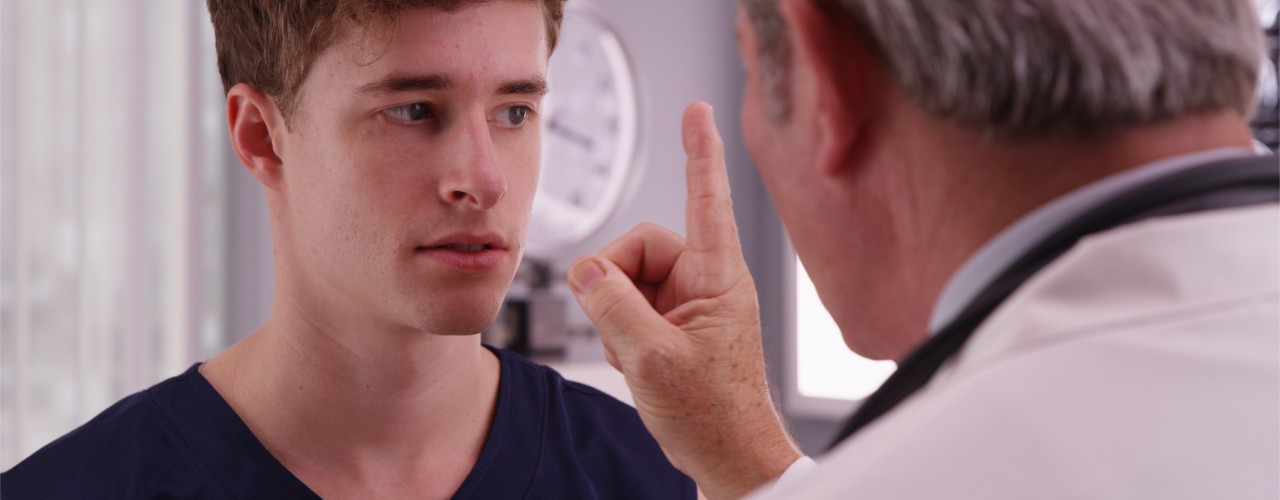
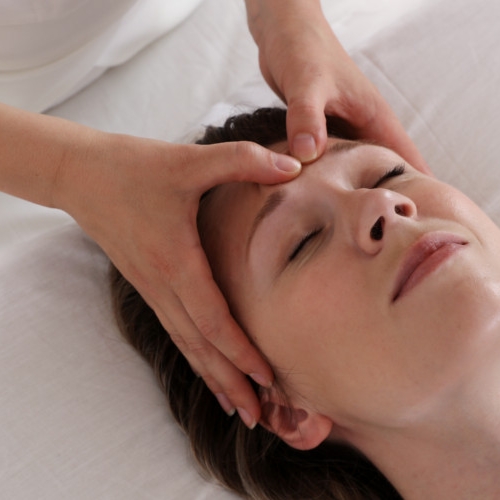
In addition to physical therapy, additional strategies like targeted soft tissue mobilization, specific stretches, and even eye motion training can help to reduce headaches and nausea following a concussion. Physical therapy programs for concussion often build in vestibular therapy, which helps you orient yourself during periods of lightheadedness or loss of balance. To encourage this your physical therapist will introduce you to specialized activities, including fixing your gaze at a certain point in the distance, or using simple movements to stabilize your core and limbs. With proper guidance, these strategies can be incredibly helpful in improving your quality of life as you recover from a concussion.
Cognitive Rehabilitation
OTs address post-concussion cognitive issues like memory, attention, and processing speed — helping patients develop compensatory strategies (checklists, calendars, pacing techniques) to manage daily tasks.
Return-to-Activity Planning
They create graded return-to-work, school, or daily routine plans that gradually reintroduce cognitive and physical demands while monitoring symptom response.
Visual and Vestibular Support
Many concussion symptoms (dizziness, reading difficulty, light sensitivity) involve visual-vestibular dysfunction. OTs can address visual tracking, convergence issues, and coordination between vision and balance.
Fatigue Management
Post-concussion fatigue is common and debilitating. OTs help patients understand their “energy envelope,” prioritize activities, and build in appropriate rest without deconditioning.
Sleep Hygiene
Disrupted sleep is a frequent complaint. OTs address sleep routines and environmental modifications as part of overall recovery.
Sensory Sensitivity
OTs can help patients manage hypersensitivity to light and noise — grading exposure and making environmental modifications at home or work.
Emotional and Behavioral Support
Mood changes, anxiety, and frustration are common. OTs address these through coping strategies, routine-building, and collaboration with the broader care team.
Home and Work Modifications
OTs assess functional environments and recommend adaptations (screen filters, reduced clutter, task simplification) to reduce cognitive load during recovery.
Pediatric and School Re-entry
For children, OTs coordinate with schools on academic accommodations — reduced workload, extended time, brain breaks — as part of a return-to-learn protocol.
The OT’s unique value in concussion care is the focus on meaningful occupation — ensuring the person can return to the roles and routines that matter most to them, not just symptom resolution in isolation.
Contact Us Today!
A concussion is not something you can ignore. Regardless of the perceived severity, following a brain injury it is incredibly important that you check in with a physician to ensure that there is no potential for lasting brain damage. If you or a loved one have experienced a concussion, contact Elliott Physical Therapy to learn more about concussion treatment and therapy options.
Your Next Steps…
Request An Appointment
Come in for a Comprehensive Evaluation
Receive A Custom Treatment Plan
Work Hard and Progress In Your Recovery
Recover & Enjoy Life Pain-Free!