

How Physical Therapy Can Help You Resolve Shoulder Pain
Have you been living with shoulder pain that wakes you up during the night? Do you find reaching overhead to be difficult and painful? You may be living with shoulder pain that can be resolved with physical therapy. At Elliott Physical Therapy, we have the solutions that you are looking for!
Our shoulders are the most flexible and movable joints in the body. The shoulder joint consists of a ball and shallow socket that allows for an impressive range of motion. This mobility makes the shoulder more susceptible to injuries and pain because it depends on muscles to maintain stability and strength. When these muscles around the joint become weak or injured, the joint mechanics are affected, resulting in inflammation and pain.
Call Elliott Physical Therapy today to schedule an appointment with one of our physical therapists so we can help you get back to your daily life, free of shoulder pains!


Understanding Your Shoulder
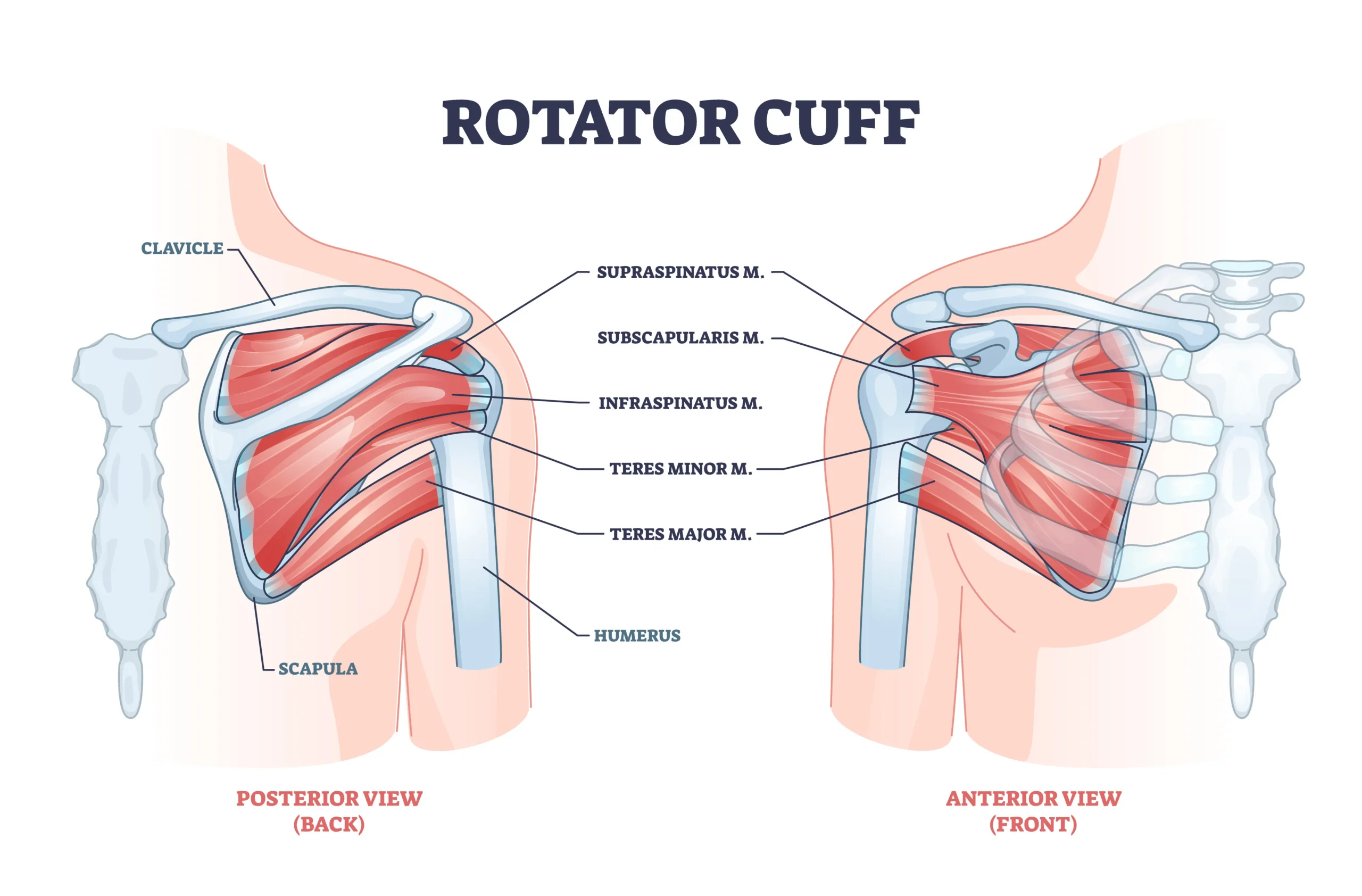
Your shoulder is a ball-and-socket joint, meaning that the humerus (ball) fits perfectly in the corresponding space in the shoulder blade (socket). Each end of the bone is protected by thick cartilage that offers mild support and allows for fluid movement.
The shoulder has the following essential structures:
- The rotator cuff: This is a group of muscles surrounding the shoulder joint providing support and movement through a wide range of motion.
- The bursas: These are small sacs of fluid that cushion and protect the tendons from the bones.
- The labrum: This is the cartilage that helps reinforce the cup that the ball fits into.
Your shoulders can accomplish several physical feats due to their structure — however, this also means that they are at an increased risk of injury. When something becomes damaged in the shoulders, pain and discomfort develop. This pain may range from a dull ache to shooting pains, depending on the severity of the condition.
Common Conditions That Cause Shoulder Pain
Pain from an acute injury can be sudden and intense, making it difficult for you to move your shoulder at all. Pain due to wear and tear or degenerative changes is often more achy and sore.
The most common conditions affecting the shoulder are:
- Frozen shoulder: Medically referred to as adhesive capsulitis, a frozen shoulder can occur if you have been bedridden or your arm has been in a cast or sling for a while. Unfortunately, it can also happen without an apparent cause. This condition causes tissues to stiffen up and causes this painful condition to occur.
- Tendinitis: Tendinitis in the shoulder joint occurs when the joint is injured or overused. This typically happens due to the demands of a sport or labor-intensive job, which can cause the tendons to experience ongoing irritation.
- Cartilage injury: An injury to the cartilage will typically lead to a limited range of motion and may lead to decreased strength in the affected shoulder. Often you will experience pain when moving your arm in specific ways, but not others.
- Arthritis: Osteoarthritis and rheumatoid arthritis are the two most common types of arthritis. Osteoarthritis occurs when the cartilage in the shoulder joint experiences significant “wear and tear,” typically due to age or excessive overuse. Rheumatoid arthritis occurs when the immune system sees the joints as a threat, resulting in pain and inflammation. In both cases, pain and loss of motion are typical.
- Strains: A strain occurs when a muscle or tendon is stretched too far or torn. Strains that are not resolved fully can lead to ongoing shoulder pain, making it difficult to partake in exercise or even daily tasks.
Meet Our New South Boston Team!

Eric Cardin
PT, MS | Clinical Manager

Kathryn Cleary
Office Manager

Meghan Pickell
PT, DPT
How Elliott Physical Therapy Can Help
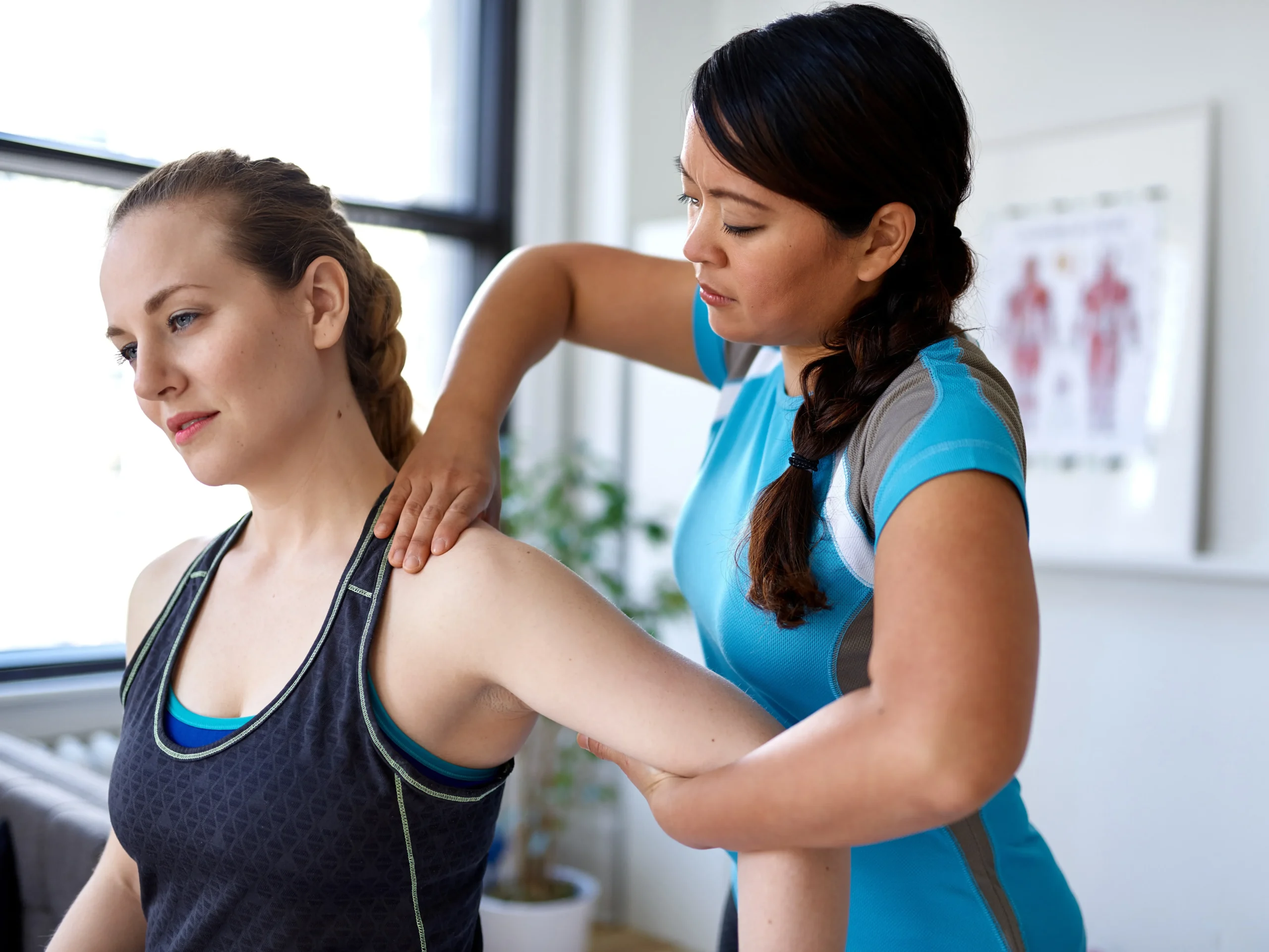
Rehabilitation should start immediately following most injuries to ensure the fastest recovery possible. A physical therapist with experience treating shoulder pain will thoroughly evaluate the severity of your injury and identify any other limitations affecting your recovery, mobility, stability, or strength.
Our therapists at Elliott Physical Therapy will create a targeted, individualized care plan to promote accelerated recovery and future injury prevention. Your physical therapist will guide you through a series of exercises designed to help the injury and return to your pre-injury abilities.
We will start with pain management and restoring mobility to the injured shoulder. Next, we will focus on progressing your strength and dynamic stability exercises designed to restore function and prevent injuries. We will also incorporate any appropriate pain relief technique to help ensure you can resume doing all the activities you love.
Sources: https://www.jospt.org/doi/full/10.2519/jospt.2020.8498, https://www.jospt.org/doi/10.2519/jospt.2015.0110, https://www.sciencedirect.com/science/article/abs/pii/S2468781218302479, https://www.ncbi.nlm.nih.gov/pmc/articles/PMC1283277
Call Today to Find Effective Shoulder Pain Relief!
Two of the biggest goals of physical therapy are to alleviate your pain and to improve your function. Your physical therapist will work with you to ensure that both are achieved throughout your physical therapy sessions.
If you are living with shoulder pain, don’t let it limit your life any longer. Call Elliott Physical Therapy today to find relief once and for all!
How to Prepare for the Winter Ski Season
Winter will be in full swing before you know it, which means our favorite ski hills and snowboarding trails will open for business! We know you’re probably as excited as we are to hit the slopes, but you want to make sure all your equipment is in tip-top shape–and we’re not just talking about your skiing or snowboarding gear, either.
Both skiing and snowboarding put a lot of pressure on your body–especially your lower body– and now is a great time to prepare for the season. Ensuring you have the strength and endurance necessary for skiing can make all the difference in preventing injuries, improving your performance, and keeping you feeling your best all winter long.
At Elliott Physical Therapy, our team is here to help you get ready for the winter sports season. Here are some of our favorite tips to help ensure you have a fun, safe skiing season.
Four Tips for Avoiding Ski-Related Injuries This Winter
1. Focus on Strengthening and Mobility
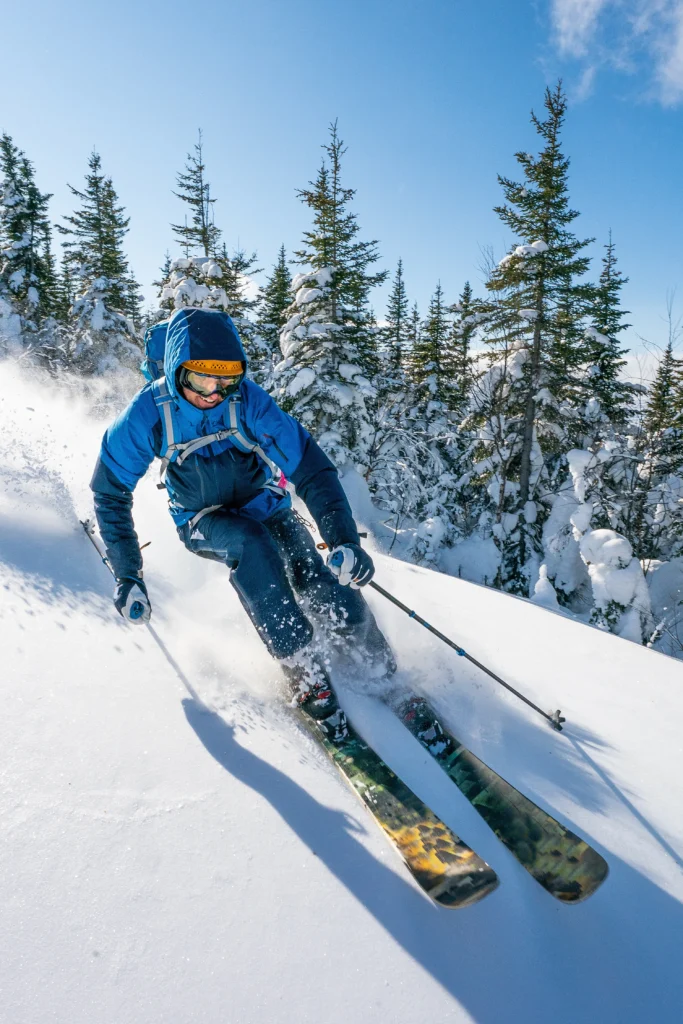
Skiing and snowboarding are dynamic sports requiring rapid movement and unexpected shifts in direction, which means you need excellent mobility throughout your lower body.
Make sure to incorporate dynamic activity into your exercise routines as you prepare for the season. Here are some we suggest:
- Squats and lunges target the quads and glutes, offering critical support and stability to the knees and hips–plus added power on steep slopes.
- Calf raises to warm up
Strength in the quadriceps, hamstrings, glutes, and calf muscles plays a major role in reducing joint stress and helping prevent injury.
2. Don’t Forget to Build Endurance
Skiing and snowboarding require sustained muscular effort. In addition to building up strength, you also want to work on your endurance. This helps combat fatigue when you’ve spent the day on a challenging trail, minimizing your risk of injuries.
Here are some ideas to improve your endurance:
- Cardio workouts like cycling, jogging, and stair climbing are all great ways to build muscular endurance.
- Interval training provides short bursts of intense exercise, helping to build stamina.
- Wall sits – start training now to be prepared for that last run.
3. Practice Proprioception for Balance
Proprioception—your body’s sense of position and movement—plays a huge role in keeping you steady on the slopes. Enhancing your proprioception helps your body respond quickly to changes in terrain or position, minimizing injuries.
Here are some ideas for challenging your proprioception:
- Stand on one leg and close your eyes
- Move through a balance-centric yoga routine
4. Schedule an Appointment at Elliott Physical Therapy
Many people think they only need to seek out services after they’ve suffered an injury, but we actually encourage you to come in before the season starts. When training for the ski season, it’s important to select exercises appropriate for your ability levels–something our physical therapists can help you do safely.
First, we’ll discuss your health history and learn more about your goals for the season. Next, we’ll evaluate your strength, mobility, balance, and movement patterns to pinpoint areas of impairment that need extra support.
All this information helps us create a program that’s completely customized to you. We can help:
- Address muscular weaknesses or imbalances that increase your injury risk
- Prescribe the best exercises for your needs and ensure you’re performing them correctly
- Ensure you’re moving with the proper technique to avoid injury
- And much more!
Get Ready to Ski and Snowboard Safely!
Preparing your body for the season can significantly reduce injury risks. Enhancing your strength, mobility, endurance, and balance is critical to helping you feel confident on the slopes–but you don’t have to do it alone. Our team is here to guide you in optimizing your health, fitness, and overall performance.
Start the winter sports season off right with an evaluation at Elliott Physical Therapy. Schedule your appointment today!

Feel Better by Eating Better!
Roasted Root Vegetables
- 12 oz rutabaga, peeled & cut into ¾-inch pieces
- 8 oz celery root, peeled & cut into 1-inch pieces
- 8 oz peeled baby carrots
- 8 oz fingerling potatoes
- 3 medium parsnips, peeled & cut into 1-inch-thick slices
- 1 medium fennel bulb, cored & cut into thin wedges
- 2 shallots, peeled & cut into thin wedges
- 2 tbsp olive oil
- ½ tsp salt
- ½ tsp ground pepper
Preheat oven to 325°F. Combine rutabaga, celery root, baby carrots, fingerling potatoes, parsnips, fennel, and shallots in a shallow roasting pan. Add oil, salt, and pepper; toss to coat. Bake, uncovered, for 1 hour, stirring occasionally. Increase oven temperature to 425°F. Bake, uncovered, about 10 minutes more or until the vegetables are tender and lightly browned.