


Ready to Be More Active? Physical Therapy Can Help
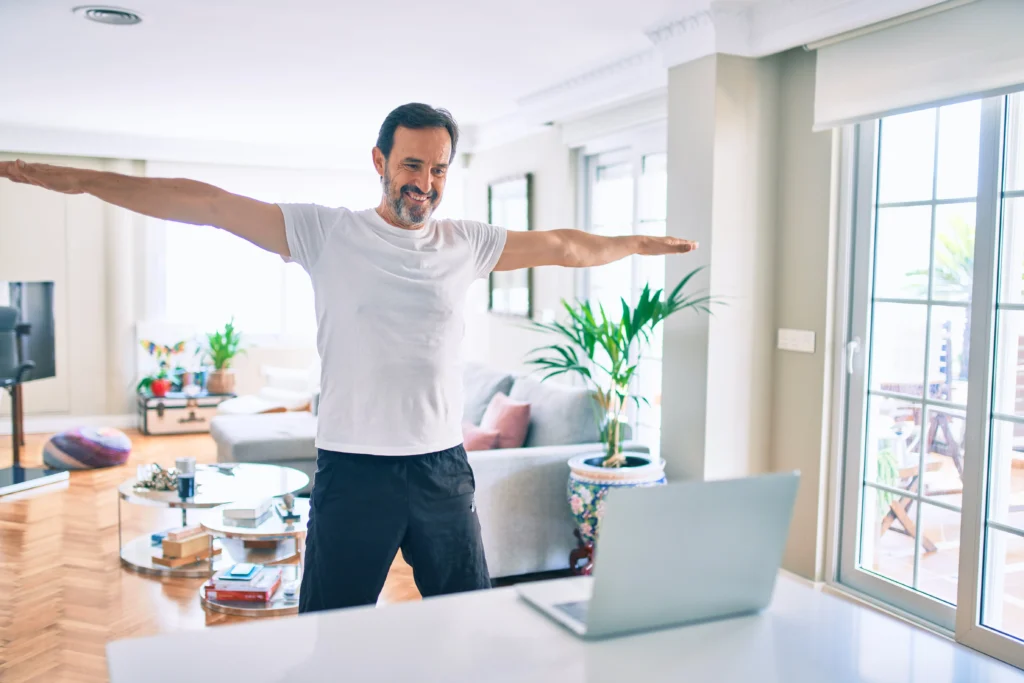
You know that regular exercise is crucial to living a healthy lifestyle. The CDC recommends adults aim for 150 minutes of moderate activity a week–about 22 minutes a day, so you don’t have to toil away in the gym for hours. But hitting those numbers can still be a challenge, especially if you struggle with persistent pain or limited mobility.
That’s where physical therapy at Elliott Physical Therapy comes in. We’re movement experts who understand all the impairments in your musculoskeletal system that can keep you from living the active, healthy lifestyle you crave. From pain management to maximizing your athletic performance, we’ll help you meet your exercise goals.
Here are just a few of the ways we can help you get healthier. Ready to get started? Call our clinic today!

We Can Reduce Pain and Restore Mobility
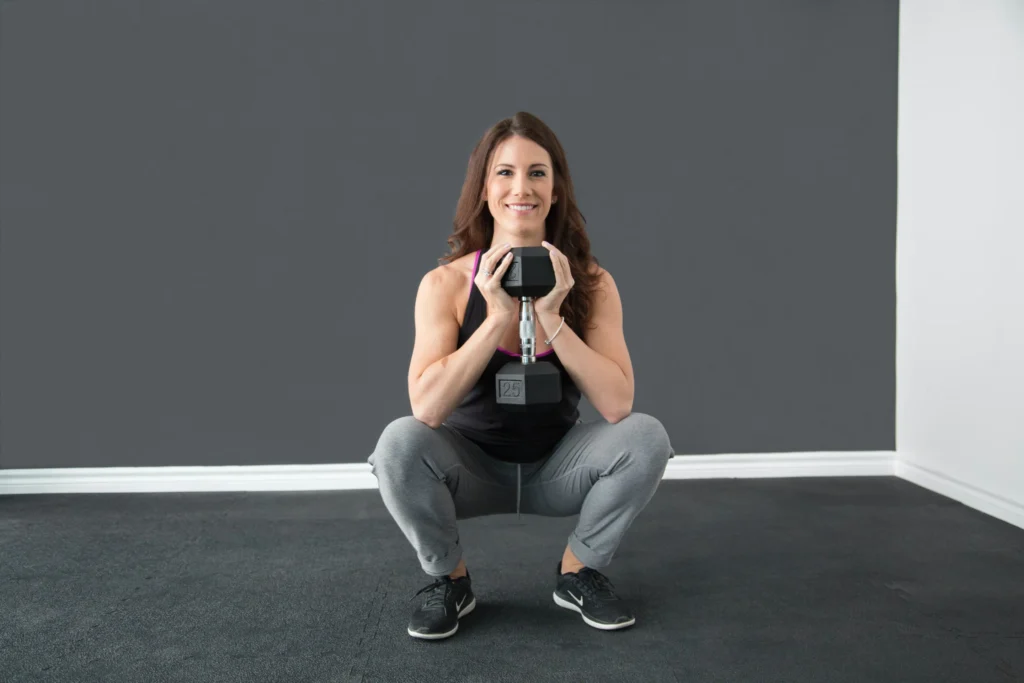
Many orthopedic conditions and injuries can make regular exercise feel difficult (if not impossible). Osteoarthritis, herniated discs, tennis elbow–all can make you feel like it’s easier just to sit this one out. In reality, though, all these conditions (and others) benefit from regular exercise.
Dealing with persistent pain or limited mobility? Our physical therapists offer several options for pain relief, including several manual therapy techniques, such as soft tissue manipulation, joint mobilization, or myofascial release. We use these techniques as the first step in preparing your body for regular movement.
We’ll also show you targeted, tailored exercises to reduce pain in the affected area. Joint pain often stems from muscular imbalances that stress the impacted joint, leading to discomfort and setting you up for more serious injuries. Strength training will help reduce your pain and get you moving again.
We Can Let You Know If You’re At Risk for an Injury
Did you know you don’t have to wait until you’re in pain to visit the team at Elliott Physical Therapy? We’re in the business of preventing injuries, not just treating them–and we can help you enter into a new workout plan without fear!
Our comprehensive physical evaluations test the following:
- Muscle strength and endurance
- Overall mobility
- Biomechanics, which looks at how your body’s systems work together to get you moving
- Balance and fall risk
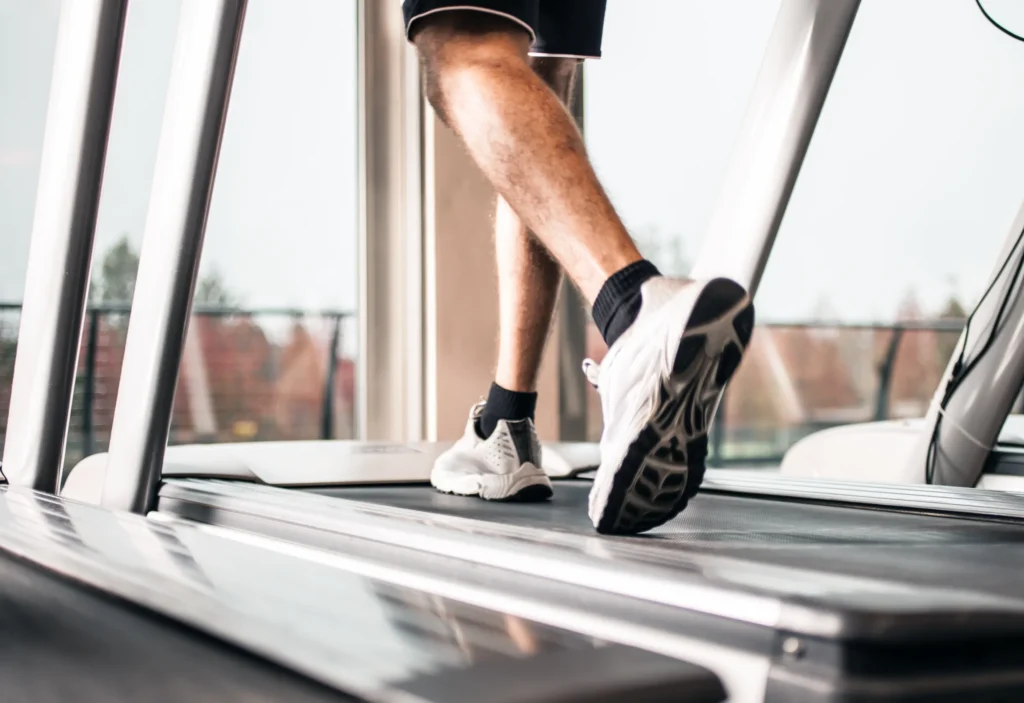
- Walking patterns
- Functional movements that you might perform for work, hobbies, or recreation
During the screens, we’ll look for potential impairments that might cause injuries down the line and suggest corrections to address them–before they become a problem.
For example, let’s say that you want to take up running after some time away. During your assessment, we noticed that you tend to bend forward at the waist when jogging. This habit means that every time your foot hits the ground, you cause more impact in your feet than necessary, which could, eventually, lead to an injury.
By catching the form mistake now–and working with our physical therapists to correct it–you lower your chances of suffering a knee injury (which could prevent you from exercising altogether).

We Can Help You Exercise with Confidence
Starting a new exercise program for the first time–or restarting one after some time away–can be deeply intimidating. You don’t know which exercises you should do. You have no idea if you’re performing movements correctly. You’re not even sure what types of exercise you would enjoy.
Our physical therapists can help with all these concerns and more. We can suggest an exercise program that suits your abilities, interests, and goals and work with you one-on-one to guide you through any unfamiliar movements or equipment. We can also suggest movement or activity modifications if something’s too difficult and offer reassurance that even small changes can have a big impact.
Our team doesn’t just help beginners, either. As you progress, you may find yourself plateauing or struggling with certain aspects of your performance. Our therapists can get to the bottom of things and develop a performance improvement plan so you can see the results you’re looking for.
Exercise of the Month
Bird Dog
(Core, Lower Back, Glutes)
Start on your hands and knees on a mat or table with your hands under your shoulders and knees under your hips. Slowly extend your right arm straight in front of you at shoulder level and extend your left leg straight back. Hold this position, engaging your core to maintain balance. Return to starting position, then repeat on the opposite side. 3 Sets, 10 Reps each side.
Snow Shoveling & Winter Car Care: Protect Your Back This Winter
Winter weather often means snow shoveling and icy mornings, but these seasonal tasks can take a toll on your back if you’re not careful. A few smart strategies can help you stay safe and pain-free.
When shoveling snow, start with the right tools. Use a shovel that’s the correct height and not overly heavy. Warm up first with a few gentle stretches, and take frequent breaks to avoid overexertion. Bend at your hips and knees – not your back – and lift small amounts of snow at a time. Keep the load close to your body and avoid twisting while lifting. If possible, push snow instead of lifting it, and consider shoveling multiple times during a storm to prevent heavy buildup.
Removing snow from your car can also strain your back and shoulders. Use a long-handled snow brush to minimize reaching and twisting. Walk around the car instead of overreaching across it, and clear one section at a time. Be mindful of your footing to avoid slips on ice.
When defrosting your car, give yourself extra time so you’re not rushing. Use your vehicle’s defrost settings and a scraper rather than forcing frozen doors or aggressively scraping at awkward angles. Taking a few extra minutes can save your back from unnecessary strain.
If winter tasks leave you sore or injured, the physical therapists at Elliott Physical Therapy are here to help you recover safely and get back to your daily routine.
How Much Daily Movement Do You Really Need?
Many people wonder if they’re moving “enough” during the day, especially if they spend long hours sitting at work or at home. The good news? Daily movement doesn’t have to mean intense workouts to make a difference.
You may have heard the popular goal of 10,000 steps per day. While that’s a great target, research shows that benefits can begin with fewer steps – often around 6,000-8,000 per day for adults. What matters most is consistency and gradually increasing your activity level over time.
Just as important as step count is how much time you spend sitting. Prolonged sitting can contribute to stiffness and aches and pains, even if you exercise regularly. Aim to stand up and move for a few minutes every 30-60 minutes. Short movement breaks help improve circulation and reduce strain on your joints and muscles.
Sneaking more movement into your day can be simple:
- Take phone calls while standing or walking
- Park farther from entrances
- Use the stairs when possible
- Do light stretching while watching TV
- Break household chores into short, active bursts
Small changes add up. If pain, stiffness, or an injury is holding you back from staying active, the team at Elliott Physical Therapy can help you move more comfortably and confidently, so daily movement feels achievable, not overwhelming.
Winter Wellness Tips: Click to Learn More
Always Warm Up Before Winter Activities
Cold muscles are more prone to injury. Before shoveling snow or any winter activity, spend 5-10 minutes doing light cardio and dynamic stretches. Try:
- Marching in place for 2-3 minutes
- Arm circles forward and backward
- Gentle torso twists
- Hip circles and leg swings
This prepares your body for the physical demands ahead and significantly reduces injury risk.
Master the Proper Shoveling Technique
The way you shovel makes all the difference. Follow these key principles:
- Bend with your legs: Squat down using your knees and hips, not your back
- Keep loads small: Half-full shovels prevent overexertion
- Stay close: Hold snow close to your body as you lift
- Avoid twisting: Turn your whole body instead of twisting at the waist
- Push when possible: Pushing snow is easier on your back than lifting
Take Regular Breaks
Don’t try to clear everything at once. Snow shoveling is intense cardiovascular exercise, and overexertion leads to injury.
- Set a timer for every 15-20 minutes
- Step inside to warm up and hydrate
- Do gentle stretches during breaks
- If it’s a heavy snowfall, shovel multiple times rather than waiting for it all to accumulate
Remember: it’s not a race. Pacing yourself protects your back and your heart.
Use the Right Equipment
Having proper tools makes winter tasks safer and easier:
- Ergonomic shovel: Choose one with a curved handle and appropriate length for your height
- Lightweight materials: Plastic or aluminum shovels reduce strain
- Long-handled brush: For clearing your car without overreaching
- Ice scraper with grip: Prevents hand and wrist strain
- Proper footwear: Boots with good traction prevent slips and falls
Quality equipment is an investment in your health.

Healthy Recipe: Anti-Inflammatory Recovery Smoothie
After a tough winter workout or shoveling session, support your body’s recovery with this nutrient-packed smoothie that helps reduce inflammation and promotes muscle repair.
Ingredients:
- 1 cup frozen mixed berries (blueberries, strawberries)
- 1 banana
- 1 cup unsweetened almond milk
- 1 tablespoon almond butter
- 1 handful fresh spinach
- ½ teaspoon fresh grated ginger
- ½ teaspoon turmeric
- 1 scoop vanilla protein powder (optional)
- Pinch of black pepper (enhances turmeric absorption)
Instructions:
Combine all ingredients in a blender and blend until smooth. Add ice if desired for a thicker consistency. The berries and turmeric provide powerful anti-inflammatory compounds, while the protein and healthy fats support muscle recovery. Ginger helps reduce soreness and aids digestion. Drink within 30 minutes after physical activity for best results.
Start the Journey to An Active Lifestyle Today!
No matter your needs, the physical therapists at Elliott Physical Therapy will help you get active in a way that works for you. Whether you’re recovering from an injury, looking to prevent future problems, or simply want to move with more confidence, we’re here to support every step of your journey.
Patient Spotlight
“I can actually say that I love being a patient at Elliott physical therapy!
I injured my back badly last summer. I spent last fall & winter trying to get pain relief. I tried everything to get better but it wasn’t healing. I wanted pain relief, but I was skeptical about physical therapy for the pain. Finally, I had to give it a shot.
After going for my eval, and several months of treatment, I couldn’t be happier with the choice. I wish I’d gone there as a first method! My therapist, Eric Cardin, in South Boston, is amazing. I don’t think I could receive better care anywhere.
Trying PT, and putting the time in to address my injury, was one of the best decisions I’ve ever made.
My pain level is way down, and I’m actually starting to gain strength. I’m optimistic for the future. For me, there’s life before Elliott PT, and life after Elliott PT.
My aim is to not only get better, but to get strong again! If I keep working at it, at home, and with Eric at Elliott, I KNOW I can reach that goal. Thank you Elliott PT and a huge thank you to Eric Cardin. It’s not an exaggeration to say that going to PT with him at Elliott has been a lifesaver for me.”
– Elizabeth, Elliott PT South Boston
⭐⭐⭐⭐⭐
Sources: https://www.cdc.gov/physicalactivity/basics/adults/index.htm, https://www.ncbi.nlm.nih.gov/pmc/articles/PMC6509454/