
How Physical Therapy Can Help Your Pickleball Injuries
No matter what your skill level or experience with Pickleball, learning how to prepare your body correctly is the key to enjoying the sport. Pickleball is the fastest-growing sport in America, and the game is gaining more and more players every day.
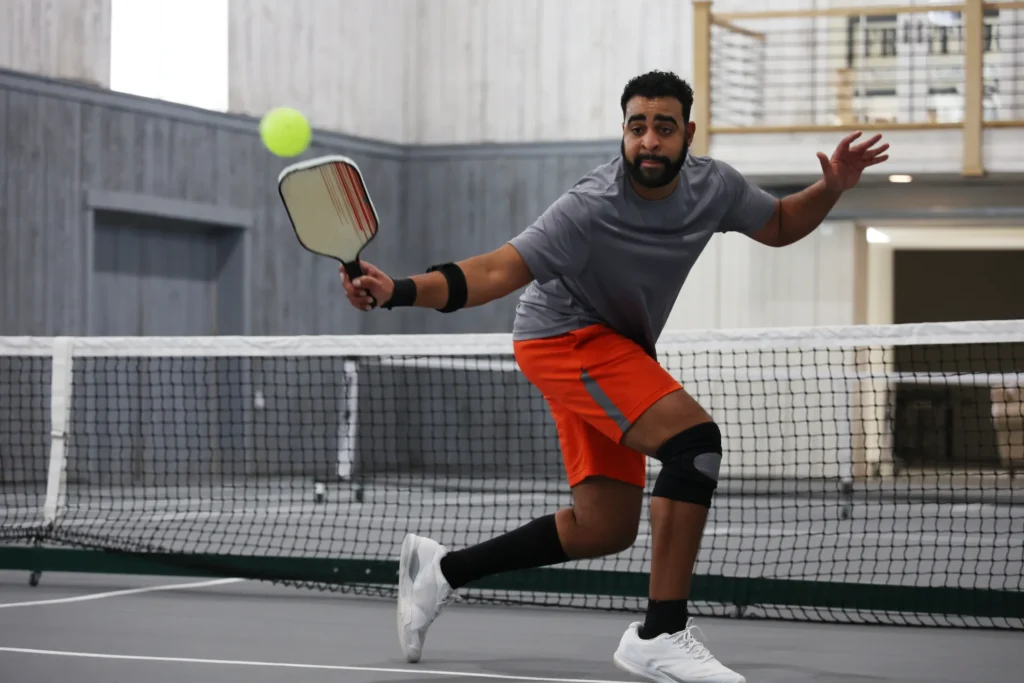
Pickleball is an easy and fun way to stay active. The sport is similar to other racquet sports and is often played on modified tennis courts.
Unfortunately, people jump right into the sport without any preparation or training to prepare their bodies for the demands on their muscles, tendons, and joints. At Elliott Physical Therapy, our physical therapists have proven success working with people of all ages to recover from injury and resume whatever sport they enjoy.
Pickleball Injury Recovery Tips
Select a common Pickleball injury above to see a quick recovery tip from our physical therapy team.
The Most Common Injuries Associated with Pickleball
As with any sport, injuries can be a part of playing the game of Pickleball. The sport’s popularity has opened it up to people of all ages. The game is easy to play for beginners and can also meet the requirements of a more competitive player, with the possibility of a fast-paced match for singles or doubles. As the popularity grows, so too does the risk of injury.
The sport requires abrupt changes of direction and stopping and starting movements, all of which have been linked to non-contact injuries like sprains and strains. There is also the potential for falling and repetitive movement type injuries, especially to the upper extremities. Another potential risk of injury stems from the lack of preparation and the age of the deconditioned athletes.
The most common injuries in Pickleball include:
- Ankle sprains
- Achilles tendon injuries and inflammation
- Patella (knee cap) tendinopathies
- Hamstring, adductor (inner thigh), or quadriceps muscle strains
- Shoulder impingements and rotator cuff injuries
- Elbow tendonitis (Tennis elbow)
- Wrist fractures from falls
What to Expect at Physical Therapy Sessions
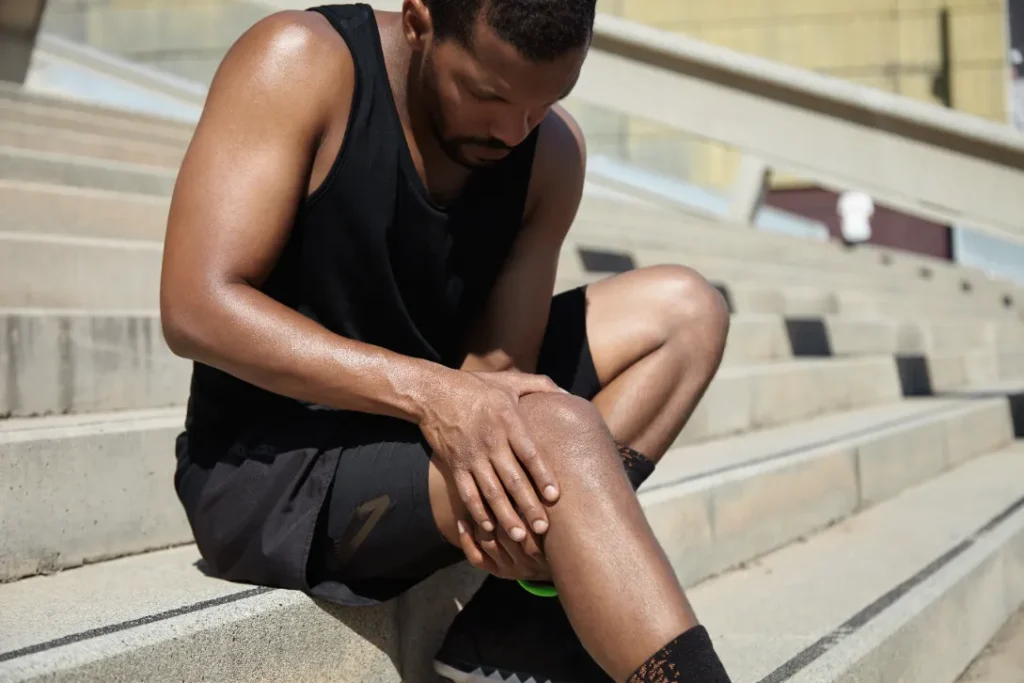
Physical therapy should start immediately following most injuries to ensure the fastest recovery possible. A physical therapist with experience treating sports-related injuries will conduct a thorough evaluation to determine the injury’s severity and identify any other factors that may affect your ability to recover promptly.
Next, your therapist at Elliott Physical Therapy will create a targeted, individualized treatment plan for you to promote an accelerated recovery plan and prevent future injuries associated with Pickleball.
For example, your physical therapist will guide you through exercises designed to help the injury and return to your pre-injury abilities. We will start with pain management and restoring mobility and strength to the injured area.
At Elliott Physical Therapy, our therapists are experts at treating Pickleball-related injuries. We have proven success with treating athletes of all skill levels and ages. Call today to schedule an appointment with one of our specialists!
Exercise of the Month
Isometric Ankle Exercise
Slowly push against an immovable object in 4 directions of ankle movement, such as inward, outward, up, and down. Hold for 5 seconds. This exercise is especially helpful for rebuilding ankle stability after a sprain — one of the most common Pickleball injuries. 3 Sets, 10 Reps. (Materials needed: immovable object)
Post-Marathon Recovery Support
Congratulations to everyone who ran the Boston Marathon! Finishing a race like this is a huge accomplishment, but your body may need some extra care in the days and weeks after. At Elliott Physical Therapy, we help runners recover faster, reduce soreness, and prevent lingering injuries. Our team offers targeted stretches, strengthening exercises, and hands-on therapies designed specifically for post-race recovery.
Whether you ran the race yourself or have a friend who did, we’re here to help your body bounce back and stay strong for your next run.

Post-Run Recovery Exercise
Hamstring Supine Stretch
(Hamstrings)
Start by lying on your back with both legs straight out. Loop a towel around your foot on the side you want to stretch. Keeping your leg as straight as possible, pull it up into the air using the ends of the towel. Hold when you feel a stretch in the back of your leg. Hold for 30 seconds. 3 Sets, 1 Rep. (Materials needed: towel)
Dive into Spring Gardening Without the Back Pain
As flowers start blooming and southern gardens come alive, don’t let back pain hinder your green thumb efforts this spring. At Elliott Physical Therapy, we’re committed to helping you get back in your garden by addressing your back pain concerns.
Our expert assistance ensures you:
- Find relief from pain, preparing you for those gardening sessions.
- Restore your mobility and strength to plant, prune, and pick with ease.
- Share gardening tips and fresh produce with friends and family without the shadow of back pain.
Our treatments are crafted for your distinct needs. This spring, turn a new leaf without pain—connect with us today and let your wellness blossom alongside your garden!

Garden-Season Back Exercise
Standing Lumbar Self Traction
(Lower Back)
Stand in front of a sturdy counter or bench about waist height. Place your hands firmly on the surface and slowly bend your knees slightly while leaning your weight into your arms. Allow your hips to drop downward, feeling a gentle stretch and decompression in your lower back. Hold the position briefly, then return to standing. 3 Sets, 30-Second Hold. (Materials needed: counter or bench)
Healthy Recipe: Lemon Herb Salmon with Roasted Asparagus
A light, anti-inflammatory meal perfect for active recovery — ideal for post-run or post-game nourishment.
Ingredients
- 2 salmon fillets
- 1 bunch of asparagus, trimmed
- 2 tbsp olive oil
- Juice of 1 lemon
- 2 cloves garlic, minced
- 1 tsp dried dill or fresh parsley
- Salt and pepper to taste
Instructions
- Preheat oven to 400°F. Line a baking sheet with foil.
- Toss asparagus with 1 tbsp olive oil, salt, and pepper. Spread on one side of the pan.
- Place salmon on the other side. Drizzle with remaining olive oil, lemon juice, garlic, and herbs.
- Bake for 12–15 minutes until salmon flakes easily and asparagus is tender.
- Serve immediately. Pairs well with brown rice or quinoa.

Ready to Get Back in the Game?
Whether you’re recovering from a Pickleball injury, bouncing back after a marathon, or working through back pain, Elliott Physical Therapy is here to help. Our specialists create individualized treatment plans to get you moving well and feeling your best.
Sources
https://www.ncbi.nlm.nih.gov/pmc/articles/PMC6913863/
https://journals.lww.com/acsm-csmr/Fulltext/2020/10000/Pickleball__Review_and_Clinical_Recommendations.8.aspx?context=LatestArticles
https://www.sciencedirect.com/science/article/abs/pii/S0736467919307991