


The Difference Between Back Pain and Sciatica
Have you been told your persistent lower back pain is really sciatica? Did you know specific signs and symptoms can clarify what condition you’re dealing with? Far too often, these terms are used interchangeably or, worse yet, inaccurately. Fortunately, at Elliott Physical Therapy, our skilled physical therapists can clear it up for you and set you on the right path to relief!
Back pain and sciatica can be confusing and even intimidating, especially when you’re not sure what’s causing your discomfort. Whether from a car accident, lifting something heavy, or seemingly out of nowhere, both back pain and sciatica seem to have similar causes and even share some symptoms.
That’s where physical therapy comes in. Physical therapy is highly effective for both conditions. It helps reduce pain, improves mobility, and, most importantly, tackles the underlying issues to prevent future discomfort. With a tailored treatment plan, you can get back to doing what you love, pain-free.

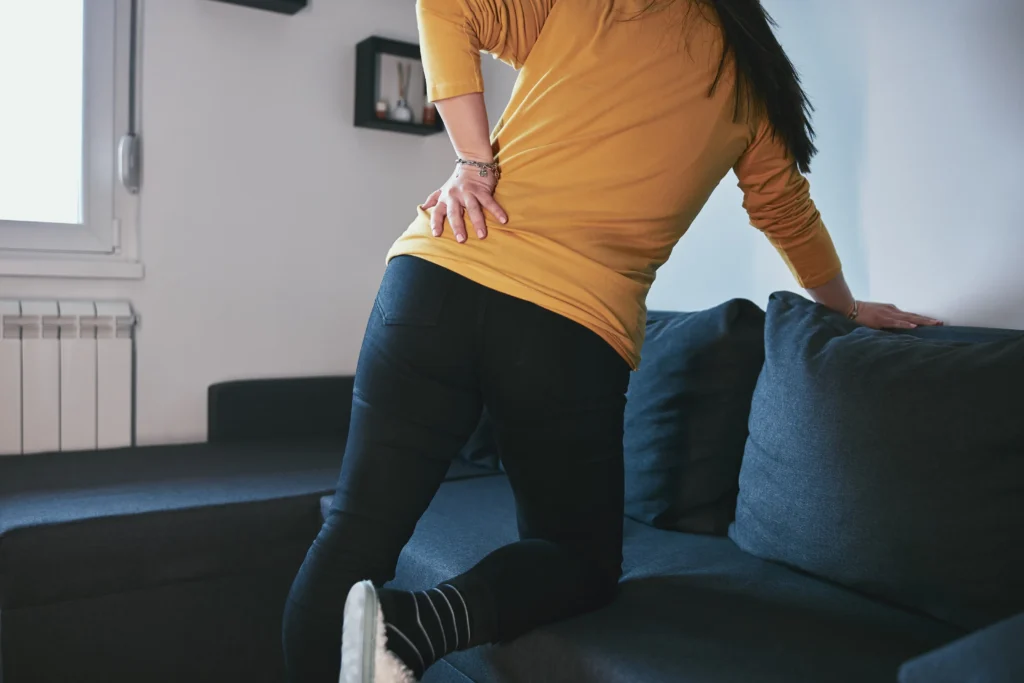

Understanding the Difference Between Back Pain and Sciatica
Back pain and sciatica are sometimes used interchangeably, but they’re not the same. Lower back pain is generally localized, affecting the lumbar region of the spine. It can arise from muscle strains or herniated discs.
Sciatica, on the other hand, is more specific and involves pain that travels along the sciatic nerve. This nerve starts in the lower back and runs through the hips and buttocks down to each leg. The pain you feel could be shooting, burning, or even tingling, and it usually affects just one side of your body. To be a “true” sciatica,” nerve symptoms must be felt in the leg (specifically below the knee).
Common Causes of Back Pain and Sciatica
- Lower Back Pain: In most cases, lower back pain is caused by factors such as muscle strain, herniated discs, degenerative disc disease, arthritis, and other conditions.
- Sciatica: Most commonly caused by a herniated disc, bone spur where the nerve exits the spine, or narrowing of the spine (spinal stenosis) compressing part of the nerve.
Classic Symptoms of Back Pain and Sciatica
- Lower Back Pain: May include stiffness, muscle spasms, and difficulty in moving.
- Sciatica: Must consist of symptoms along the nerve root in the leg and typically include numbness, tingling, or muscle weakness in the affected leg or foot, in addition to pain.
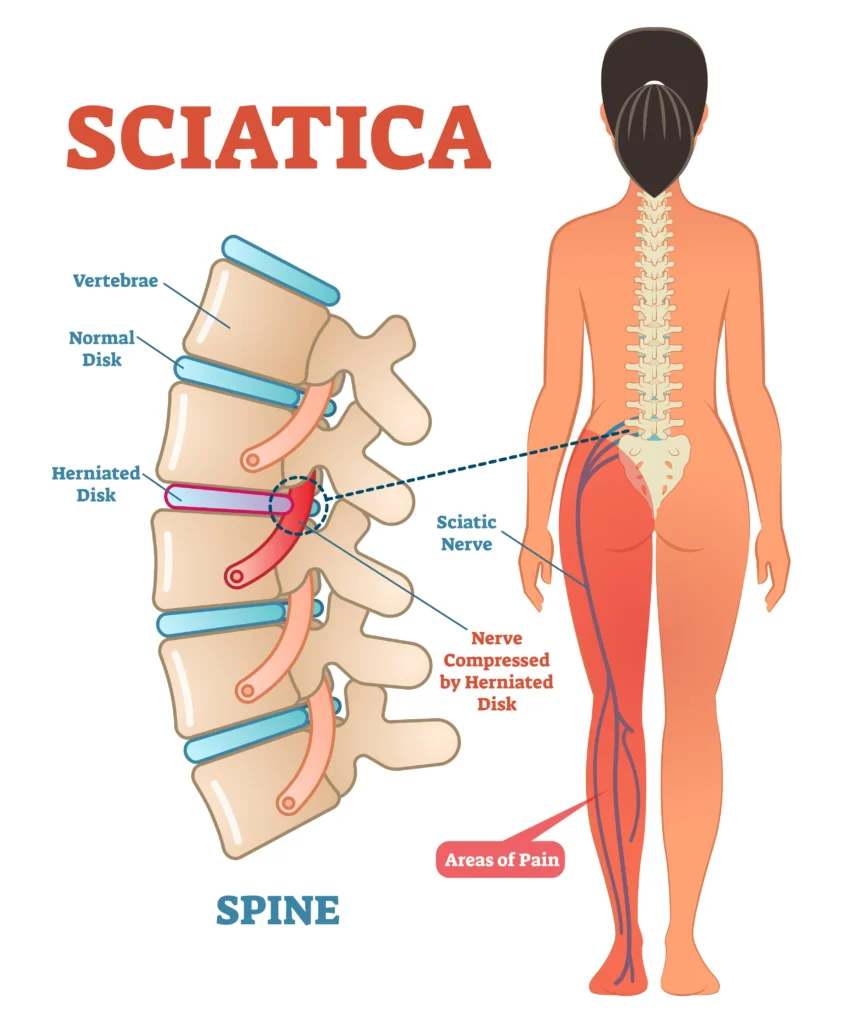
It’s crucial to know the difference between the two because the treatment approaches differ. For example, sciatica might require attention to nerve compression issues, while lower back pain could be more muscle-related.
So, if you’re tired of enduring persistent pain, take action and call to schedule an appointment with our spine experts. Let us help you understand your condition and guide you toward effective relief.
Did You Know You Can TEXT Us?
You read that right! You can always call us (of course!), but if you have a quick question about your schedule, plan of care, insurance coverage, etc. do not hesitate to send a quick text and our front office team will reply right away!
Save our number in your phone for quick access. We’ve made it super easy, just click on your preferred location below. ⬇️
Our Approach to Assessment and Treatment at Elliott Physical Therapy
If you are experiencing back pain or sciatica, it’s time to take action. Working with our experienced therapists can help you understand what you are dealing with and, most importantly, how to resolve it once and for all!
Whether you come to our clinic with lower back pain or sciatica, we will perform a thorough physical examination and medical history to provide you with solutions that work based on the findings.
- Prescriptive Exercise: We begin with carefully selected exercises designed specifically for your needs. Our physical therapists will guide you through strengthening exercises first, building the support your body needs for lasting improvement. We then incorporate mobility exercises to help restore comfortable, functional movement. Each program is tailored to you, continuously monitored, and progressed as you improve.
- Education: Understanding what’s happening in your body and, more importantly, what you can do about it, is one of the most effective parts of your treatment. Our physical therapists will ensure you have the knowledge and tools you need to be successful both in the clinic and at home.
- Hands-On Therapy: When appropriate, our therapists may use gentle hands-on techniques to reduce discomfort, improve movement, and support your overall function. These approaches are individualized and used only when they’re the right fit for your specific condition and goals.
Your well-being is our top priority. At Elliott Physical Therapy, we offer a proven approach to back pain and sciatica. Don’t let pain hold you back any longer. Call today and take the first step toward a pain-free life.
Sources: https://pubmed.ncbi.nlm.nih.gov/32291226/, https://www.ncbi.nlm.nih.gov/pmc/articles/PMC5088108/, https://www.ncbi.nlm.nih.gov/pmc/articles/PMC6251828/

Sprinting Toward Success
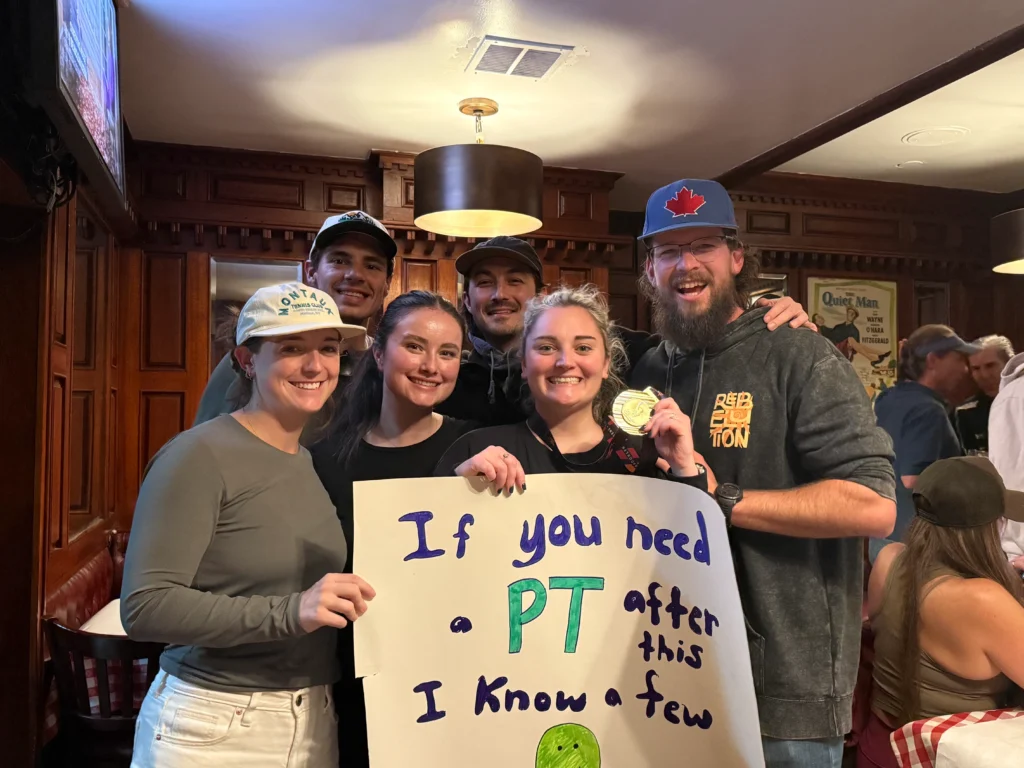
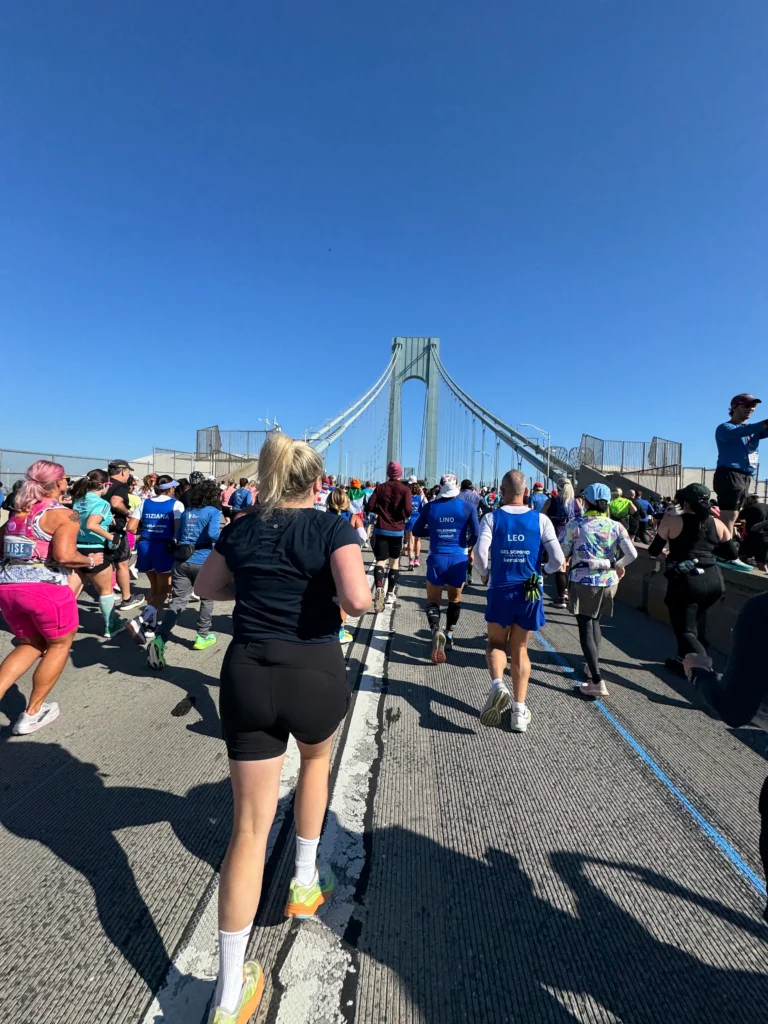
We’re so proud of Isobel MacCrate, PT, DPT, Assistant Clinical Manager in our Dorchester clinic, for crushing the NYC Marathon! Her dedication, perseverance, and passion are truly inspiring. Way to go, Isobel!

Don’t Let Your 2025 Insurance Benefits Go To Waste!
Take charge of your health today and make the most of your insurance benefits!
If you’ve already met your deductible this year or have funds left in your HSA account, you can take advantage of our remarkable opportunity at Elliott Physical Therapy. Don’t let these valuable benefits go unused!
Why Balance Training Matters at Every Age
Balance isn’t just for athletes or those recovering from an injury, it’s a fundamental part of overall health at every stage of life. At Elliott Physical Therapy, we emphasize the importance of balance training because strong balance can improve your mobility, prevent injuries, and even enhance daily activities.
As we age, our balance naturally declines due to changes in muscle strength, joint stability, and the inner ear’s vestibular system. This decline increases the risk of falls, which are a leading cause of injury among older adults. Incorporating balance exercises into your routine, whether it’s standing on one leg, practicing heel-to-toe walking, or using a stability ball, can strengthen the muscles and neurological pathways that keep you steady. Even just a few minutes a day can make a noticeable difference in stability and confidence.
But balance training isn’t just for older adults. Children and young adults also benefit. Developing good balance early on improves coordination, sports performance, and body awareness. Athletes rely on balance to reduce the risk of injury, maintain proper form, and increase power during movements. For anyone recovering from an injury, balance exercises are often a critical part of rehabilitation, helping to retrain muscles and joints to function correctly and prevent re-injury.
Balance is also closely tied to core strength. Engaging in exercises that challenge your stability activates deep core muscles, improves spinal alignment, and supports better movement patterns. Even small changes, like standing on one leg while brushing your teeth, can train your body to maintain control in everyday situations.
At Elliott Physical Therapy, we design balance programs tailored to your age, fitness level, and goals. Whether you’re looking to prevent falls, recover from an injury, or enhance athletic performance, balance training can improve your quality of life. Remember, it’s never too early, or too late, to start focusing on your stability. Your body will thank you with improved coordination, reduced risk of injury, and a stronger, more confident stride.

Creamy Tuscan Chicken
- 2 tablespoons olive oil
- 4 boneless, skinless chicken breasts (or thighs)
- Salt and pepper to taste
- 3 cloves garlic, minced
- 1 cup cherry tomatoes (halved)
- 2 cups baby spinach
- ½ cup sun-dried tomatoes (optional but flavorful)
- 1 cup heavy cream
- ½ cup chicken broth
- ½ cup grated Parmesan cheese
- 1 teaspoon Italian seasoning (or mix of basil, oregano, thyme)
- Sear the chicken: Heat olive oil in a large skillet over medium heat. Season chicken with salt and pepper, then cook for about 5–6 minutes per side until golden brown and cooked through. Remove and set aside.
- Make the sauce: In the same pan, add garlic and cook for 30 seconds. Add cherry tomatoes and sun-dried tomatoes. Cook until tomatoes start to soften.
- Add cream and broth: Pour in heavy cream and chicken broth. Stir in Parmesan and Italian seasoning. Simmer 3–4 minutes until thickened slightly.
- Combine: Add spinach and stir until wilted. Return chicken to the pan, spooning sauce over top. Simmer another 3 minutes to meld flavors.
- Serve: Serve hot over mashed potatoes, rice, or pasta.