


Ready for the Season: How Physical Therapy Prepares You for Spring Sports!
Spring is a time of renewal. In New England, crocuses and daffodils often push through the soil, trees begin to bud, and birds fill the mornings with song. Warmer days are on the horizon, inviting us to step outside and start fresh.
As nature wakes from its winter slumber, people often emerge from their own version of hibernation. Spring can spark a desire to socialize more, spend time outdoors, tackle long-postponed goals — and recommit to physical well-being. Whatever form your seasonal reset takes, it’s a welcome shift from the cold, gray days of winter.
For many runners, spring also signals preparation for the iconic Boston Marathon. Training through late winter and early spring requires dedication, resilience, and a thoughtful approach. As mileage increases and long runs become routine, it’s essential to prioritize recovery, mobility, and strength work alongside endurance training. Proper warm-ups, cross-training, and rest days help prevent overuse injuries and keep progress on track.



How Physical Therapy Can Help You Be Ready This Spring
🏅 Sports
Being able to practice the sport you love, whether competitively or just for fun, is essential. Sports provide a way for you to get physical activity while having fun. Your heart rate rises, your blood gets flowing, your muscles get the workout that they need.
Many sports injuries are caused by not training in the off-season or trying to do too much too soon. Improper training and conditioning can resurface old injuries and contribute to new injuries starting. Our physical therapists can help you implement effective strategies to prevent sports injuries this season.
A few common sports injuries that physical therapy can treat include:
- Ligament sprains
- Muscle strains
- Overuse injuries (i.e., tendonitis, joint pain)
- Cartilage tears
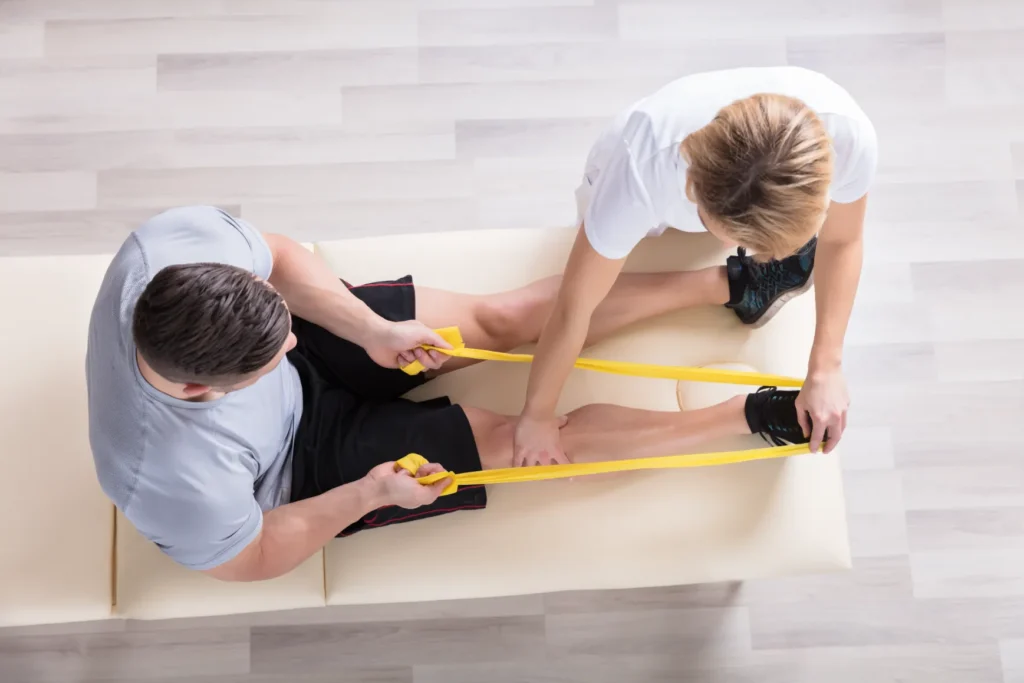
It doesn’t matter if you play golf, softball, lacrosse, swim, baseball, or another sport. Our physical therapists at Elliott Physical Therapy can help you get in shape and be prepared for the season. We can also guide you to recover from past injuries that may not have adequately healed.

🚲 Biking
Biking is a fun activity people enjoy as it warms up outside. Whether you are riding on the road or the trails, biking can prove to be difficult if you’re suffering from injuries that have not healed or chronic pain conditions that restrict your mobility.
If you haven’t been on a bicycle for several years, you can start out riding just a few times each week. The great thing about biking is that you can go as slow or as fast as you’re able. Riding a bicycle will not only keep you active — even 15 or 20 minutes twice a week is a good start.
A physical therapist can show you the best way to ride the type of bike you own. Our physical therapists can help to mobilize your joints, build up strength and improve your endurance so you can continue taking those long bike rides through the park, mountains, or city streets! Having the proper fit can ensure you spend time enjoying the ride instead of recovering from an injury.
🏃 Running
One of the best activities to get in shape or decompress from stress is running. Unfortunately, new and old runners alike will experience injuries that prevent them from putting in the miles. Too often, runners ignore their injuries or don’t resolve them entirely, only to worsen or develop a new problem.
While running may be your chosen spring activity, it certainly can be hard on the body, and without proper guidance, you may find yourself unable to run at all. That’s why participating in a regular physical therapy routine at Elliott Physical Therapy is such a good idea.
If you’re having difficulty running at the same levels of speed or distances that you’re used to, it’s a sign you should see a physical therapist ASAP for care. We’ll make sure your muscles are strong, and your plan for training is sound. We can help make sure your joint health is up to par before you hit the trails this season.
Exercise of the Month
Bent Over Rows
3 Sets, 10 Reps. (Materials needed: dumbbells)
Hold a weight in your hand. Slightly bend your knees and bend at your waist to bring your torso forward. Make sure your back remains flat and about parallel to the floor. Pull the weight towards you. Make sure your elbows stay close to your body. Slowly return to the starting position.
Why Your At-Home Exercises Matter More Than You Think
A recent national survey from Ohio State University Wexner Medical Center highlights a critical, and often overlooked, part of recovery after surgery: what happens at home.
The survey found that nearly three out of four surgical patients do not complete their prescribed at-home physical therapy exercises. Only about one in four patients reported finishing their full home program. That gap can have real consequences, including slower strength gains, prolonged pain, stiffness, and delayed return to daily activities.
Physical therapy doesn’t stop when you leave the clinic. In fact, the majority of progress happens between visits. Your in-clinic sessions are designed to guide, progress, and fine-tune your recovery, but it’s the consistency of your home exercises that reinforces those gains.

So why do patients struggle to keep up? The most common reasons include forgetting to do the exercises, busy schedules, boredom with repetition, not seeing quick results, or fear of pain or reinjury. Interestingly, older adults were more likely to complete their programs than younger patients, suggesting that routine and accountability matter.
From a recovery standpoint, incomplete home therapy can mean longer healing timelines and a higher risk of lingering limitations. Surgery may correct a structural issue, but restoring strength, mobility, and confidence requires repetition and follow-through.
At Elliott Physical Therapy, we work closely with patients to create realistic, personalized home programs and to explain why each exercise matters. If something feels unclear, painful, or hard to fit into your day, we want to know; adjustments can always be made.
Your recovery isn’t defined by the few hours you spend in the clinic each week. It’s shaped by the small, consistent efforts you make every day. When you commit to your home program, you give your surgery the best chance for lasting success.
Spring Fitness Myths That Can Lead to Injury
As the weather warms up, many people feel motivated to get moving again, whether that’s returning to sports, exercising outdoors, or tackling more active weekends. While that enthusiasm is great, some common spring fitness myths can actually increase the risk of injury.
Spring Recipe: Berry Smoothie Bowl
A vibrant, antioxidant-rich bowl that’s as beautiful as it is nourishing — perfect for a quick pre-workout breakfast or post-activity recovery. Ready in 10 minutes!

Ingredients (Serves 2)
For the Base
- 1 cup frozen mixed berries (strawberries, blueberries, raspberries)
- 1 frozen banana, sliced
- ½ cup Greek yogurt
- ¼ cup almond milk (add more for desired thickness)
Toppings
- Fresh strawberries, sliced
- Fresh blueberries
- ½ banana, sliced
- ¼ cup granola
- 1 tablespoon chia seeds
- 2 tablespoons shredded coconut
Directions
- Add frozen berries, frozen banana, Greek yogurt, and almond milk to a blender. Blend until thick and smooth — the base should be thicker than a drinkable smoothie.
- Pour the base into two bowls.
- Arrange toppings in sections: sliced strawberries, fresh blueberries, banana slices, granola, chia seeds, and shredded coconut.
- Serve immediately and enjoy!
Request An Appointment Today!
Spring has sprung, and it’s time for you to get back in the saddle when it comes to your outdoor activities and hobbies. Whatever you enjoy doing to stay active, our physical therapists at Elliott Physical Therapy can make sure your body is fully equipped to handle it!
Call our clinic today to schedule a consultation, so you can get out there and enjoy all spring has to offer!