


Don’t Ignore Your Lower Back Pain!
Are you someone who pushes through those mysterious aches and pains that crop up occasionally? Do you just assume your lower back pain will get better on its own? While this can work out, it’s not a guarantee. If you’re struggling with back pain, make an appointment with Elliott Physical Therapy and seek the treatment you deserve.
Lower back pain is one of the most common musculoskeletal ailments globally, with an estimated 80% of people experiencing it at some point. But just because it’s a common experience doesn’t mean it can’t cause complications: around 23% of the world’s population suffers from chronic back pain, pain that lingers for longer than three months.
The good news is that physical therapy can resolve most cases of back pain through techniques like manual therapy and therapeutic exercise — no surgery or dangerous pain medications are required. Even better, our therapists can often help you improve your back strength and mobility so your back functions better than before your injury.
But to get to that point, you have to take the first step and make an appointment with the physical therapists at Elliott Physical Therapy.
Need a little extra push? Keep reading to learn why you shouldn’t ignore lower back pain.



Three Reasons to Seek Treatment for Lower Back Pain
- It could get worse. People develop lower back pain for all kinds of reasons. If you suffered a sudden injury, your pain might indeed resolve on its own. But sudden injuries aren’t the only cause of back pain. Many people will develop back pain due to prolonged sitting, which can contribute to a weakening of the core muscles that stabilize the spine — and puts undue strain on your lower back. Your pain will never fully resolve until you work to strengthen those muscles and address those postural issues.
- It could indicate a serious underlying condition. Not all back pain results from an injury or poor posture. Certain medical conditions, such as spinal fractures, osteoarthritis, and ankylosing spondylitis, can all cause back pain. If left untreated, your symptoms will get worse, and they might bring friends, such as restricted mobility or additional complications. Our team of physical therapists can help you determine the exact cause of back pain and suggest appropriate treatment methods. If you have developed a chronic condition, we can help you manage your symptoms and work with you to delay the disease’s progression.
- You deserve a pain-free life. Back pain may be common, but it can also be debilitating. Intense, persistent pain can keep you from staying active, which only worsens your symptoms and delays healing. It’s a vicious cycle that keeps you from fully enjoying your life. Rather than waiting for your pain to resolve, take a proactive approach with physical therapy. We’ll give you the tools to build strength, improve your posture, and get moving — so you can experience lasting back pain relief.
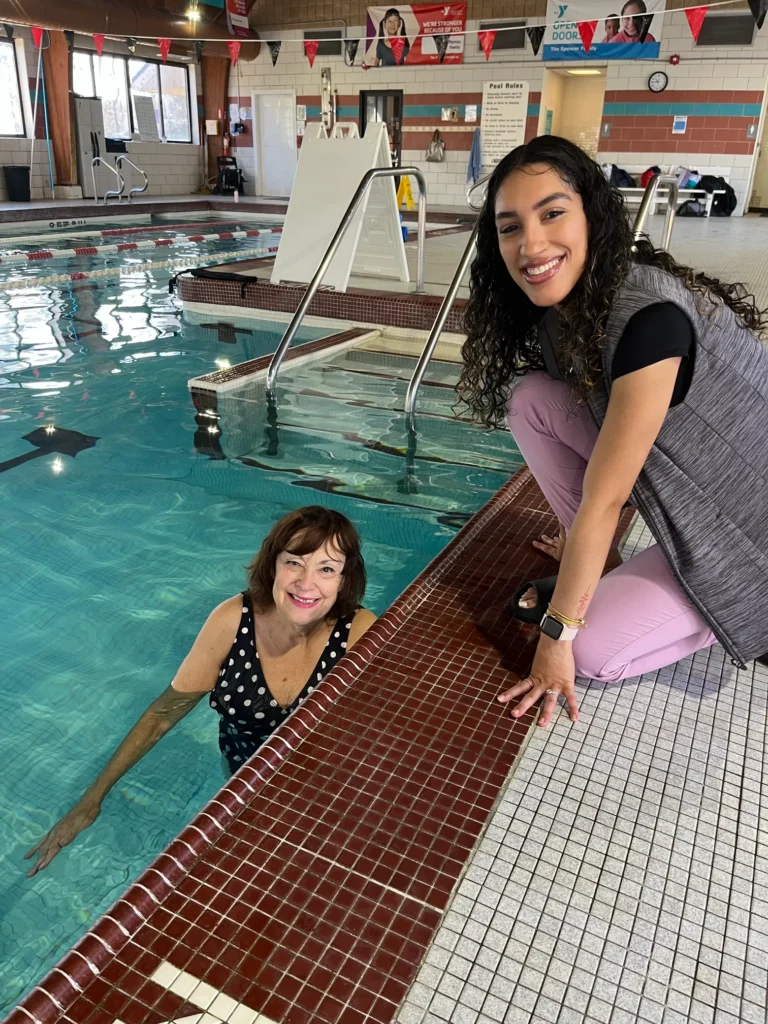
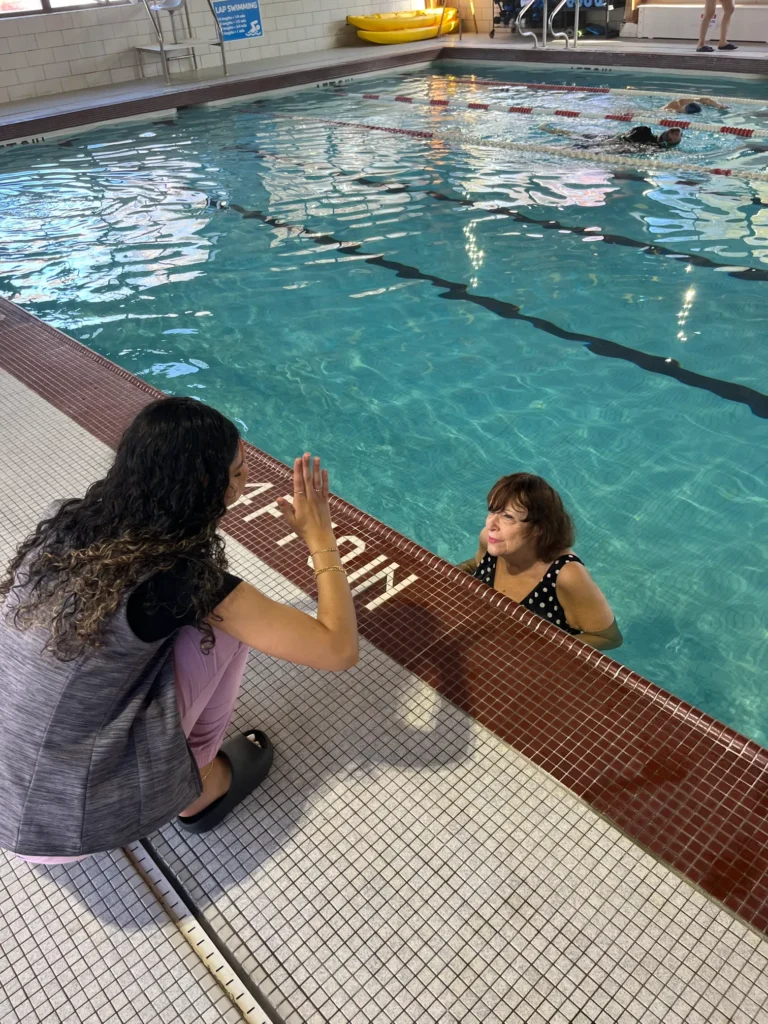
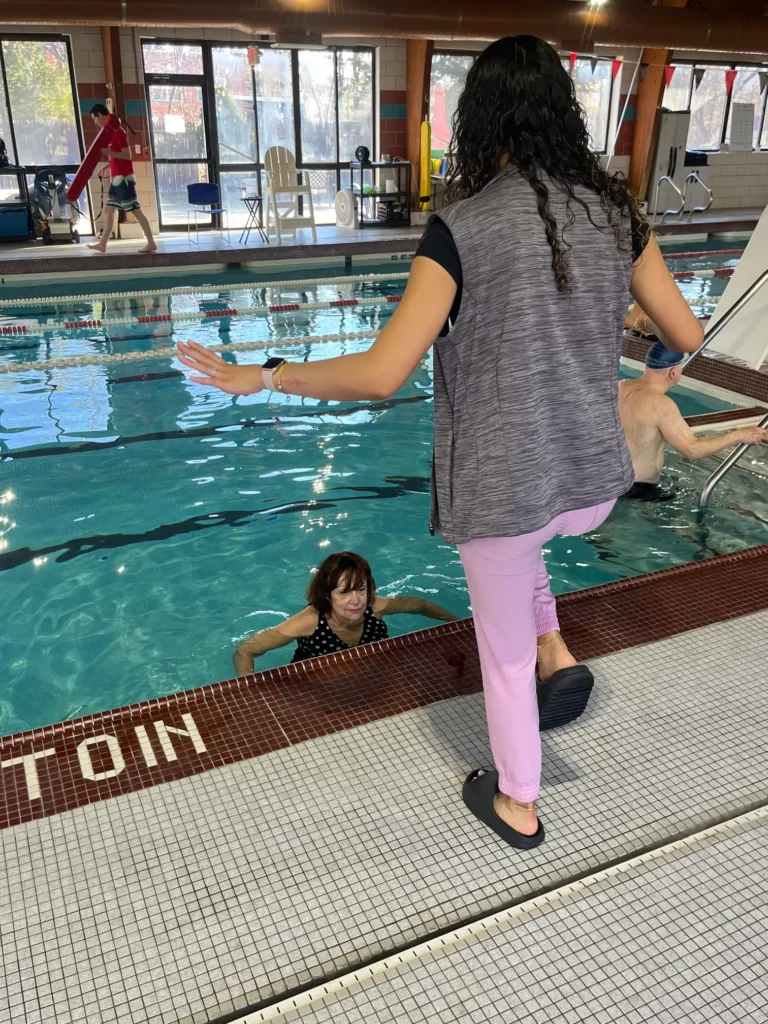
Discover the Benefits of Aquatic Therapy!
We’re excited to bring back aquatic therapy at the Easton YMCA! This low-impact, water-based therapy is perfect for improving mobility, reducing pain, and boosting recovery. Whether you’re managing arthritis, rehabbing after surgery, or looking to build strength, aquatic therapy could be the solution for you.

How Does Physical Therapy Help with Back Pain, Anyway?
When it comes to back pain, movement is definitely the best medicine. Research repeatedly shows that regular exercise can reduce back pain and keep it from occurring.
The problem is that exercise might feel like an impossibility when you’re in pain. That’s why physical therapy is such an excellent treatment option: we make movement the center of our treatment.
Once you’ve decided not to ignore your back pain, give Elliott Physical Therapy a call. Here’s what we’ll do to help you find relief:
- Find the cause. Our in-depth physical assessments will help us identify precisely why you’re experiencing back pain, allowing us to develop a customized treatment plan.
- Manage pain. We offer several drug-free techniques for managing pain so you can get moving again. Manual therapy, gentle mobilization exercises, and pain-relieving modalities can get you started.
- Get moving. We’ll provide a tailored exercise program that suits your needs, interests, and ability levels. We can also help you strengthen your core muscles, ensuring your spine is well supported.
- Prevent future pain. We’ll also help you avoid future incidences of back pain by instructing you on proper lifting techniques or offering ergonomic suggestions for your workspace.
Sources: https://www.ncbi.nlm.nih.gov/pmc/articles/PMC7186678, https://pubmed.ncbi.nlm.nih.gov/32669487, https://www.physio-pedia.com/Low_Back_Pain
Important Insurance Update
Effective February 20th, 2025, Elliott Physical Therapy will be out of network with ALL plans associated with UHC (Commercial, Medicare Advantage, Surest, AARP, VA Community Care, UMR, and any other insurance that utilizes the UHC network).
After months of careful deliberation and many attempts to renegotiate with Optum UnitedHealth Group (UHC), we have been unsuccessful and have decided to transition to out-of-network status with them.
We remain committed to providing you with excellent physical therapy services. We will be connecting with all patients who will be affected by this change and will provide alternative solutions as well as answer any questions you may have.
Exercise of the Month
Double Knee To Chest
Start on your back with your knees bent. Slowly bring both knees to your chest. Grasp your knees. Hold for 30 seconds and repeat.


Today’s the Day to Stop Ignoring Your Back Pain!
Want to take action? The first step is simple: call Elliott Physical Therapy to schedule an initial consultation. Then wave your back pain goodbye as you embark on a journey to long-term relief!
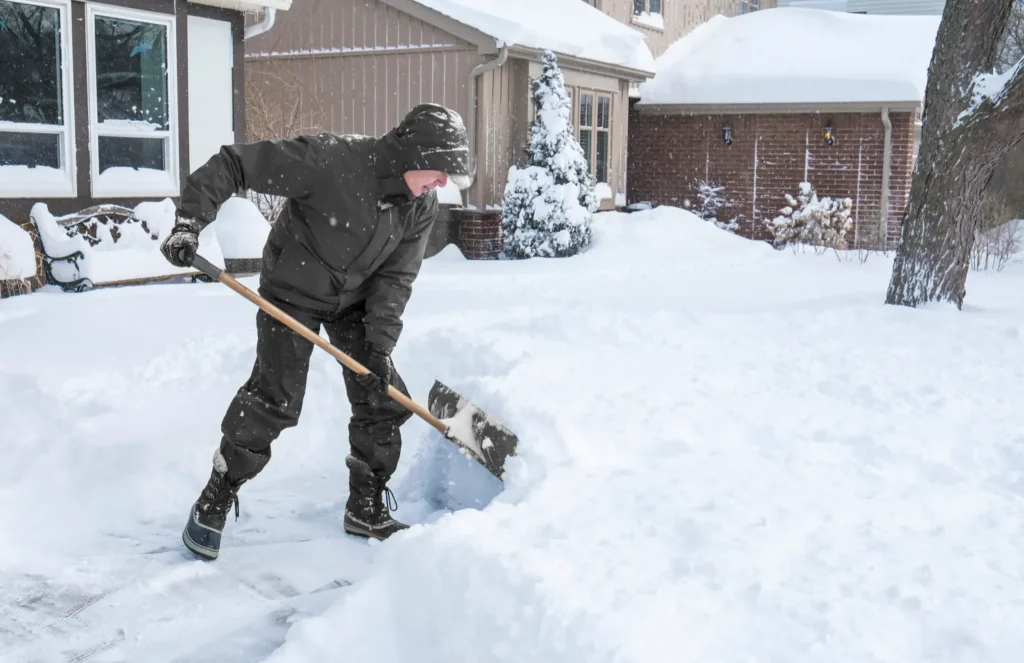
Stay Safe While Shoveling Snow: Injury Prevention Tips
With winter weather on the way, snow shoveling is an inevitable task for many. But while it’s a great way to stay active, shoveling can lead to injury if done incorrectly. Here are some essential tips to help you shovel safely and avoid strain or injury this season.
1. Prepare for the Cold
- Layer Up: Dress in warm layers to stay comfortable and keep muscles warm. Cold muscles are more prone to injury, so gloves, hats, and layered clothing are essential.
2. Warm Up Your Muscles
- Dynamic Stretching: Start with 5–10 minutes of gentle movement to warm up. Focus on dynamic stretches, such as arm circles, trunk twists, and leg swings, to improve mobility and prepare for physical exertion.
- Target Key Areas: Pay extra attention to your back, shoulders, and legs, which do most of the work when shoveling. Simple exercises like toe touches, lunges, and arm raises help.
3. Use the Right Tools
- Consider a Push Shovel: If possible, opt for a push shovel that allows you to push snow instead of lifting it, which is easier on the back.
4. Use Good Technique
- Lift Properly: Avoid rounding your back or twisting while lifting snow. Bend your knees and use your legs, not your back, to lift the shovel. Keep the shovel close to your body to reduce the strain on your spine.
- Avoid Overloading the Shovel: Don’t try to lift too much at once. Shoveling smaller amounts more frequently reduces strain and allows you to work longer without exhaustion.
5. Take Breaks Often
- Pace Yourself: Shoveling is a strenuous workout, so take breaks every 15–20 minutes to prevent fatigue. Use this time to hydrate and do a quick stretch.
Shoveling snow can be safe and effective with the right approach. If you’re experiencing muscle strain or pain from shoveling, our physical therapy team is here to help.

Feel Better by Eating Better!
Vegan Peanut Butter Cookies
- 1 cup creamy natural peanut butter
- 1/2 cup maple syrup, or honey
- 1 teaspoon vanilla
- 1 cup almond flour
- flaked sea salt for topping, if desired
Preheat oven to 350 degrees F and line a baking sheet with parchment paper. Add peanut butter, maple syrup, and vanilla into a mixing bowl. Once combined, add in almond flour and stir until incorporated. Use a medium cookie scoop to scoop dough onto a prepared baking sheet. Alternatively, you can scoop the dough with a spoon and roll it into a ball. Flatten each dough ball with a fork, making a crisscross pattern, and sprinkle a little flaked sea salt on top of each cookie. Bake in a preheated oven for about 12 minutes or until cookies begin to brown. Remove from oven, allow cookies to cool on a wire rack, and enjoy.