


How Physical Therapy Can Help You Get Active
Are you having trouble sleeping? Is getting up off the floor harder than it used to be? Do you want an all-natural approach to managing stress? There’s a simple solution that can help address all of these concerns and more: physical activity!
It’s no secret that regular exercise is good for you. Studies repeatedly show that it offers a wealth of benefits, and that’s especially true as you age. Exercise can…
- Reduce your risk of heart disease and other chronic conditions
- Help you stay mobile and independent
- Build muscle and bone mass
- Elevate your mood and improve cognitive function
Unfortunately, many people struggle to get more movement in. For younger people, finding the time may be an issue. For older people, joint pain and restricted mobility can make regular exercise feel out of reach.
At Elliott Physical Therapy, we’re passionate about helping people move more. We understand the many challenges that can make physical activity difficult, and we’ll work closely with you to find an exercise program that suits your needs, interests, and abilities.
Today, we want to share the stories of two patients with you (their names have been changed). Both patients started in similar places but wound up on very different journeys–showing just how important a little physical activity can be.
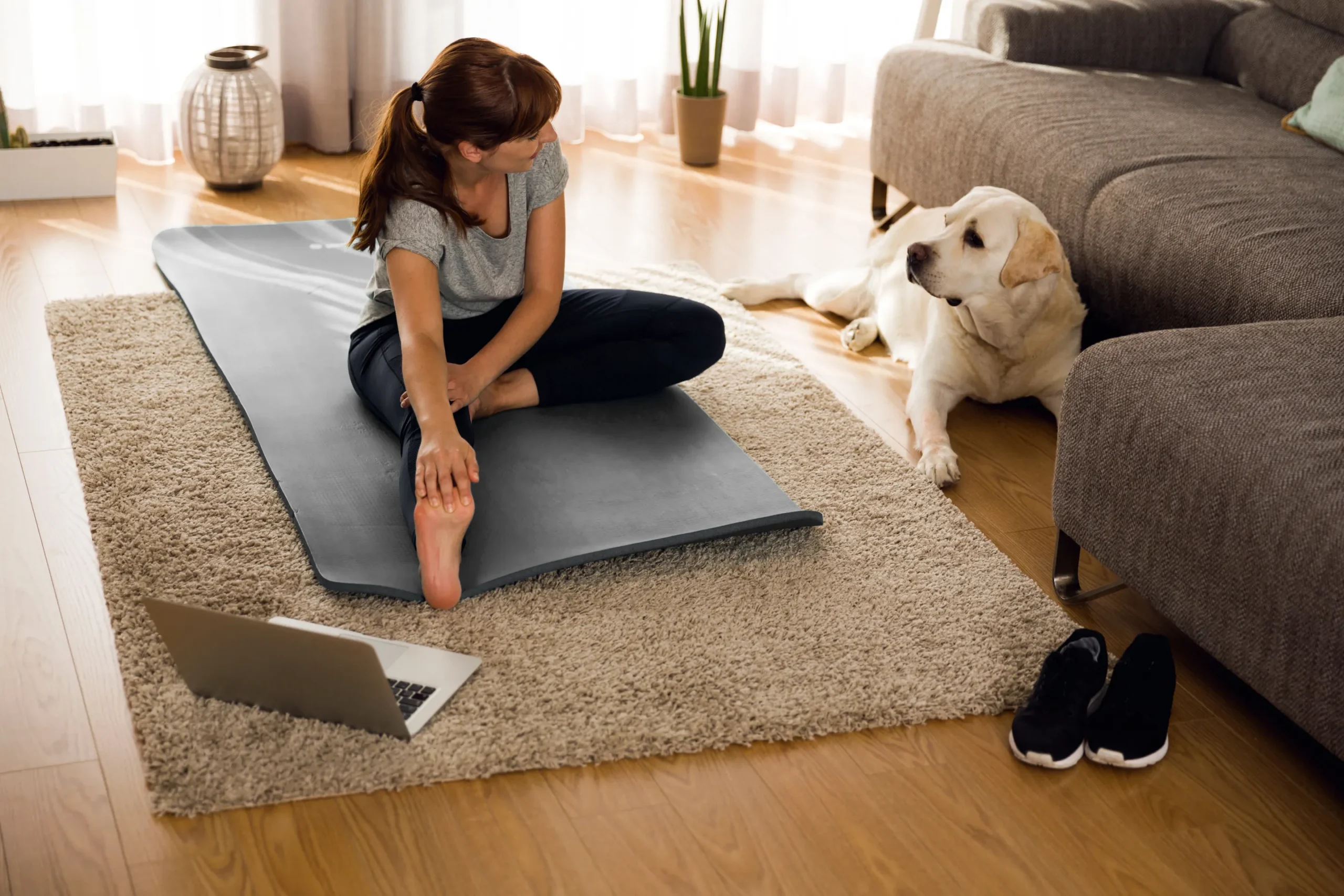
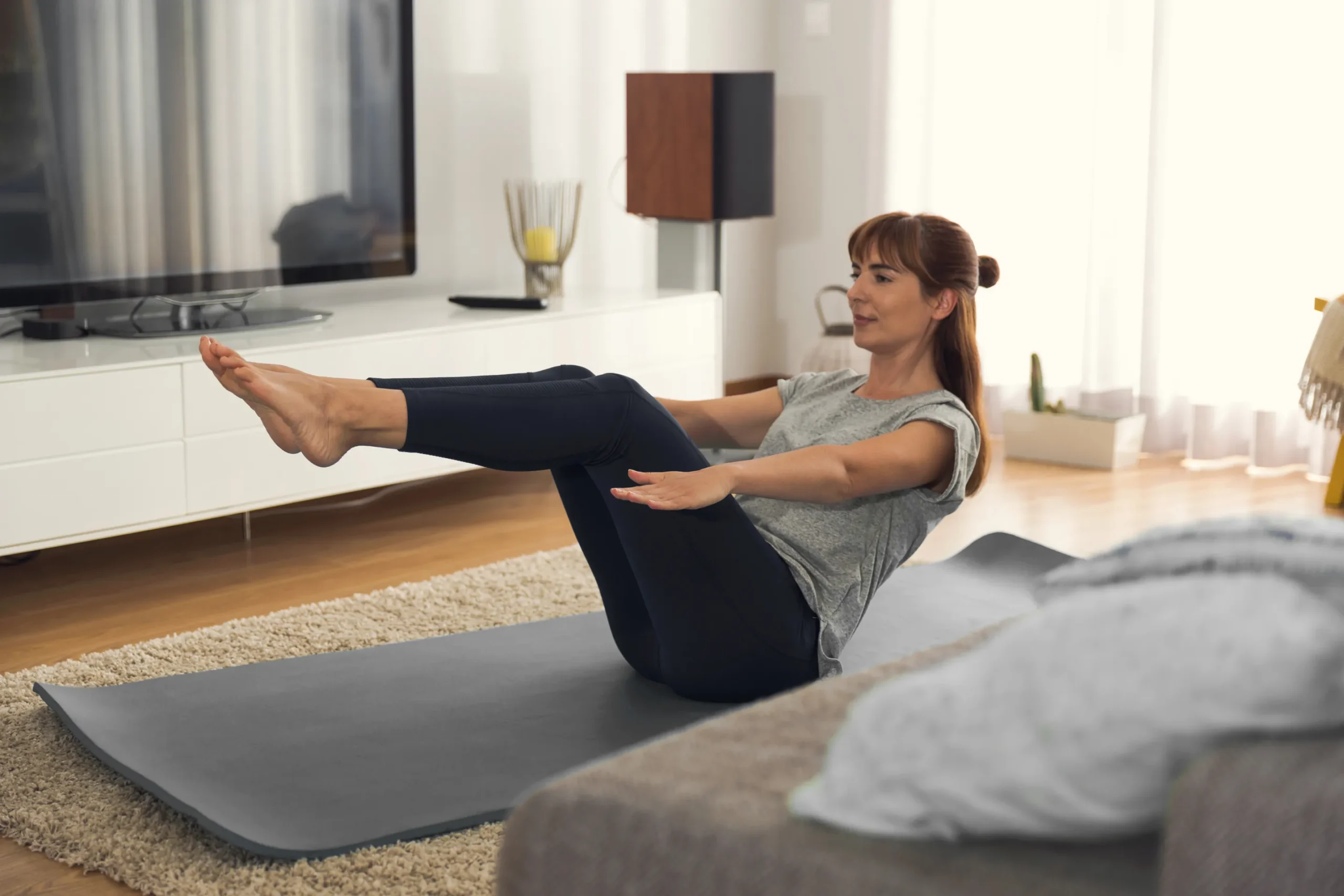
The Starting Point: Lower Back Pain
Donna and Linda were remarkably similar. Both women were in their mid-40s. Neither had been particularly athletic, although they tried to exercise when they could. And both of them stopped exercising altogether when they developed back pain.
Both women first visited us to see if we could help them manage their pain. Donna had strained her back muscles due to an injury she sustained while moving heavy furniture. Linda’s back pain stemmed from a herniated disc resulting from postural habits at her desk job.
We provided both women with two-month treatment plans designed to reduce their pain and improve the strength and function of their backs. Both women completed their respective programs. But that’s where their paths diverged.

The Next Step: Staying Active
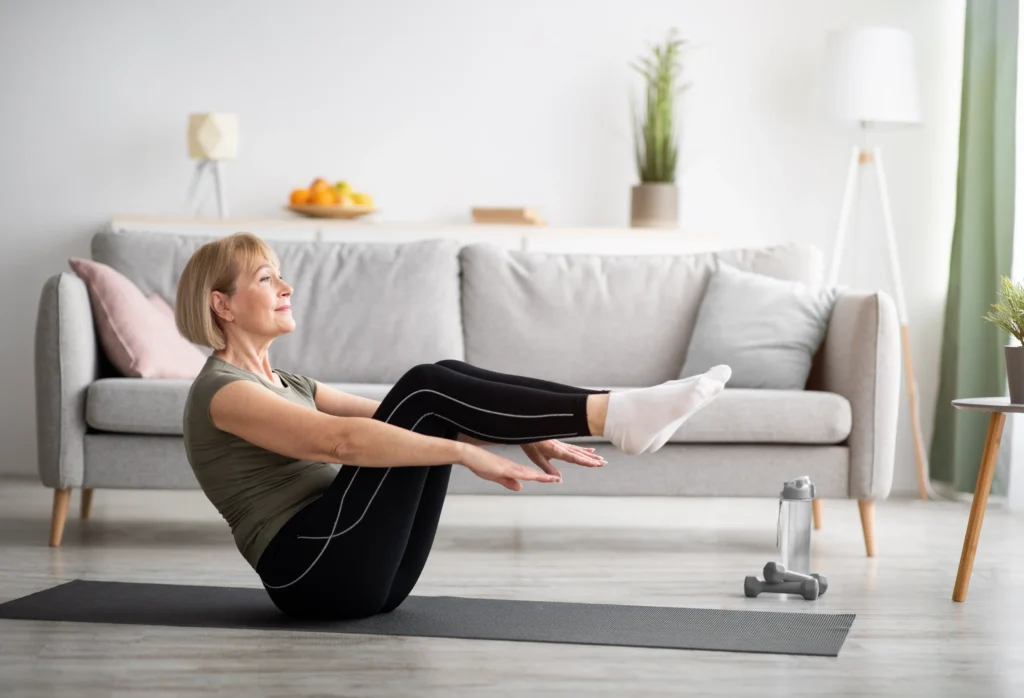
Linda enjoyed working through the targeted exercise program we developed for her. Even though her job was very sedentary (she spent all day on a computer), she always felt tired and worn out at the end of the day. However, completing her home exercise program boosted her energy.
When she finished her treatment program, she asked if we had any tips for exercise programs that might help her stay active. She had a few requirements:
- She wanted the program to feel fun, not punishing.
- She wanted something she could do at home since she had limited time to drive to a gym.
- She wanted to track her improvement, just as she had in PT.
We were delighted to help! After talking to Linda about the exercises she enjoyed, we developed a walk/run program tailored to her current abilities. It also met all of her requirements.
As for Donna, we didn’t see her again for another five years when she came in with another injury.
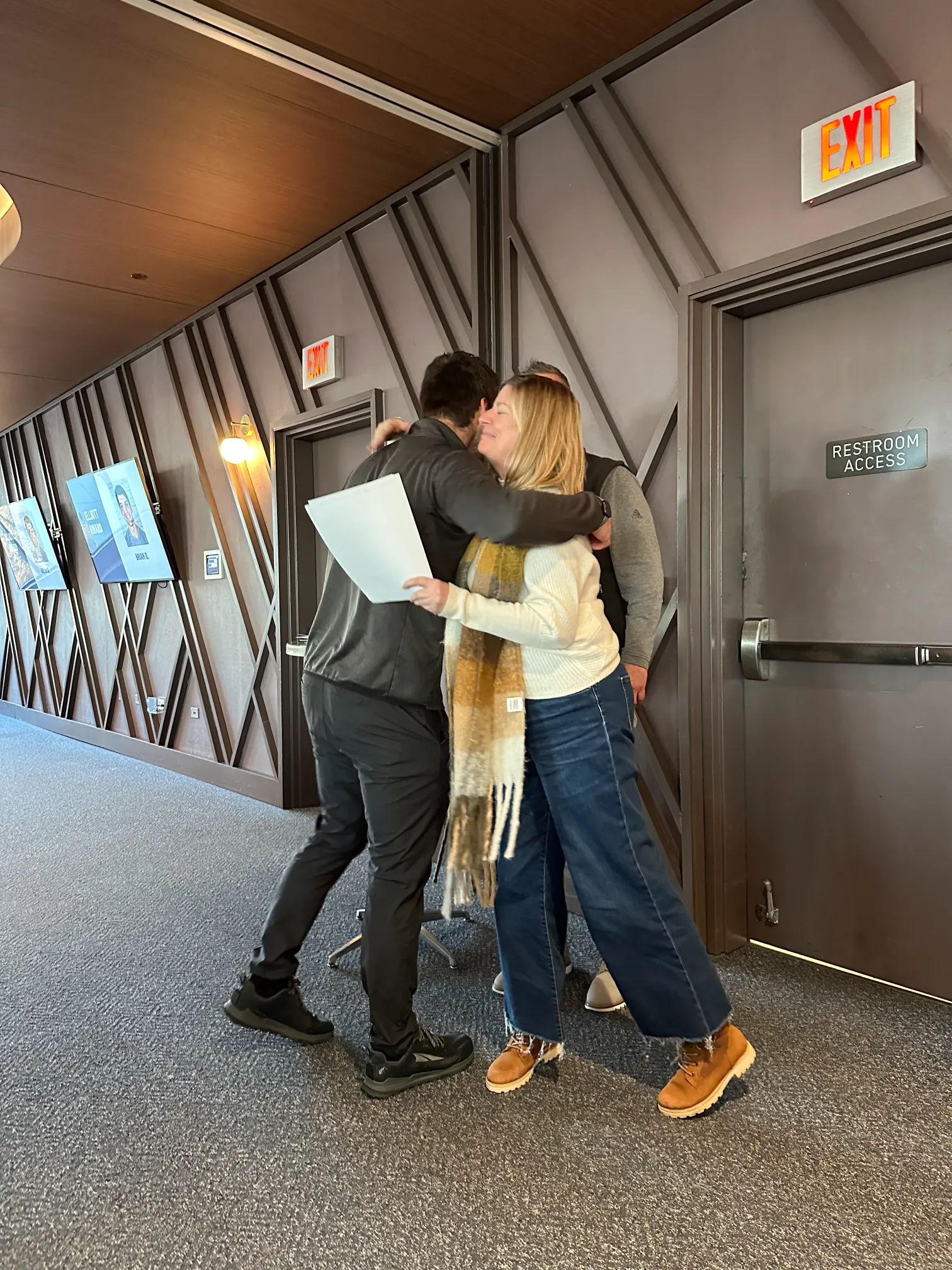
Behind the Scenes at Our Annual Team Meeting!
Our team recently gathered for our annual planning meeting, where we set goals, shared new ideas, and strategized how to provide even better care for our patients.
Here’s to a fantastic year ahead!







Important Insurance Update
Elliott Physical Therapy is out of network with ALL plans associated with UHC (Commercial, Medicare Advantage, Surest, AARP, VA Community Care, UMR, and any other insurance that utilizes the UHC network).
After months of careful deliberation and many attempts to renegotiate with Optum UnitedHealth Group (UHC), we have been unsuccessful and have decided to transition to out-of-network status with them.
We remain committed to providing you with excellent physical therapy services. We will be connecting with all patients who will be affected by this change and will provide alternative solutions as well as answer any questions you may have.
Five Years On: What’s the Difference?
While Donna did keep up with her physical therapy, staying active beyond that was a struggle for her. She had a family and a stressful job with long hours, so she had limited free time to exercise. While she did attend the occasional exercise class, she didn’t do it frequently enough to meet the CDC’s recommendation of 150 minutes of exercise a week.
Unfortunately, Donna continued to struggle with joint pain. She visited us due to a hip injury, but she noted that she frequently experienced mysterious aches and pains throughout her body. Because of the pain, she often struggled to get enough sleep, which had an impact on her overall health and well-being.
We also saw Linda five years out from that initial session, after she sustained a mild running injury. The injury aside, Linda was doing great–she didn’t struggle with mysterious joint pain, her sleep was great, and she’d gotten excellent blood work results from the doctor.
Sources: https://www.cdc.gov/physicalactivity/basics/adults/index.htm, https://www.ncbi.nlm.nih.gov/pmc/articles/PMC8397487/
Let Us Help You Get Active Today
Being physically active is one of the best ways to uncover improved health and wellness, and it’s often easier than you might expect. The key is finding activities you enjoy that you can work into your schedule–and that’s one place where we can provide some guidance.
Ready to get started? Call Elliott Physical Therapy to schedule an initial consultation!

Tips for A Heart-Healthy Valentine’s Day!
This year, don’t forget the most important Valentine of all: your heart! With February being the month of love and American Heart Month, here are a few tips to combine them into one fabulous celebration:
- Try a heart-healthy treat: Pomegranate seeds, good dark chocolate, and sweet strawberries are all delicious alternatives to candy hearts.
- Take a ballroom dance class with your sweetheart: Nothing’s more romantic than a sweeping waltz or sultry tango. But ballroom dancing is also a great cardio workout–making it the perfect date night for American Heart Month!
- Sink into a relaxing bubble bath: Stress contributes to cardiovascular disease, so this month, set aside time to rest and relax with a bubble bath. Dim the lights, burn a few candles, and settle down with your favorite romantic read.
Want more healthy heart tips this February–or any month of the year? Schedule an appointment with Elliott Physical Therapy today!