
How Physical Therapy Can Help You Get Ready for Fall Sports
Before you know it, the cooler season will come, and so will fall sports! Are you wondering how to prepare yourself for your favorite autumn activities? Or have you been struggling with an old injury that just doesn’t seem to be going away? Either way, Elliott Physical Therapy can help.
Everyone involved in athletics knows that one thing is for sure: competition comes with a risk of injury. Fortunately, physical therapy can help athletes recover from injuries and prepare them for their upcoming seasons.
Whether you compete in cross-country running, football, or soccer, our team can help you resolve an injury and provide you with the tools you need to be at your peak physical condition for the start of the season.



How Physical Therapy Helps Athletes Prepare for Fall Sports
Playing the sport you love, whether competitively or just for fun, is an important part of staying healthy and enjoying your life. And making sure your body is strong, stable, and prepped for the game is vital for maintaining high performance.
Conditioning is a significant part of staying healthy when you play sports. Fortunately, we offer customized conditioning programs that can lower your risk of sustaining an injury during the game and improve your performance.
These programs focus on keeping you healthy and strong. They incorporate sports-specific strengthening and training methods to ensure your body can tolerate the demands of your sport while improving your ability to compete at a high level. Techniques like targeted exercises, lifting weights, and proactive recovery practices further help prevent athletes from injuring themselves.
In short, a physical therapy-focused conditioning program can prepare you for the ups and downs of the fall sports season.
Exercise of the Month
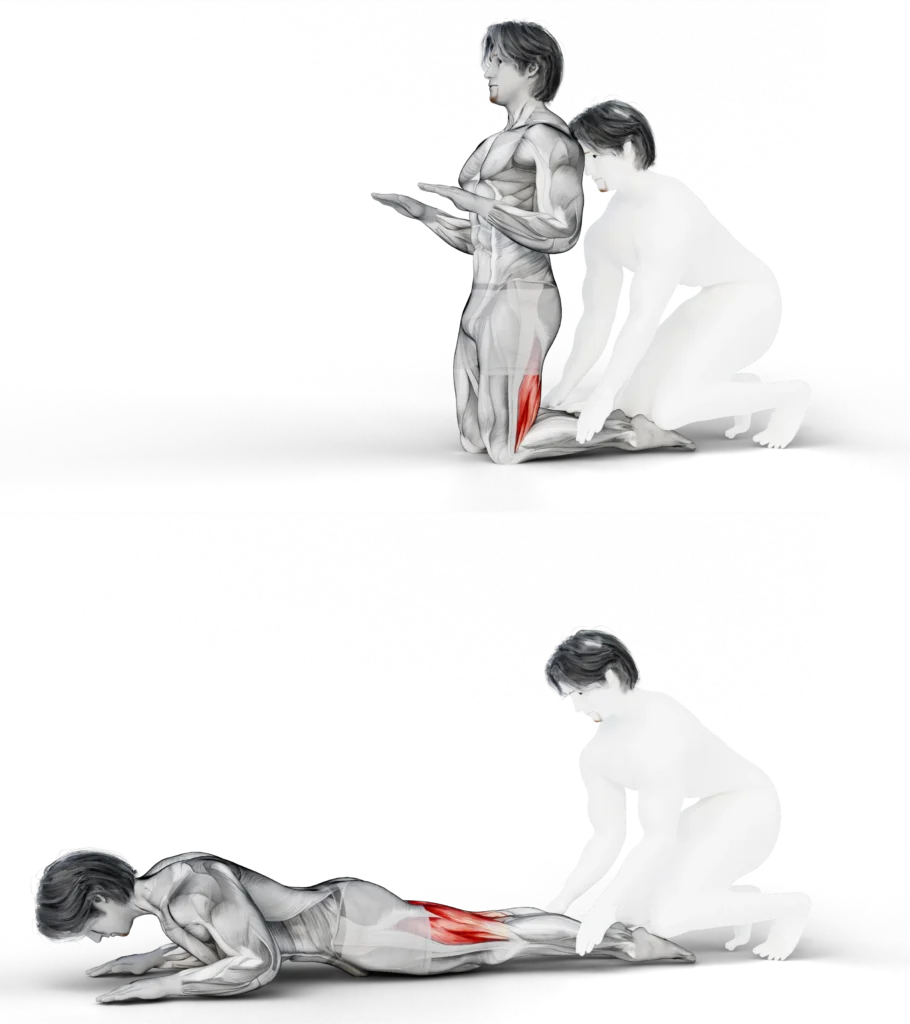
Nordic Hamstring Curl
- Repetitions: Begin with 1-3 controlled reps, building up as tolerated.
- Setup: Kneel on a padded surface with feet anchored (by a partner or equipment) just above the ankles.
- Starting position: Maintain a neutral trunk and hips aligned over the knees.
- Execution: Slowly lean forward. Once unable to hold the position, gently catch yourself with hands to break the fall.
- Return: Push back up to your starting position.
Strength-Level Norms Based on Age
| Age | Beginner | Intermediate | Advanced |
| 20-40 | 1+ | 11 | 27 |
| 41-50 | 1+ | 7-11 | 20-27 |
| 51-60 | 1+ | 2-7 | 13-20 |
| 61-70 | 1+ | 2-3 | 6-13 |
Understanding Sports Injuries (And The Role Of Physical Therapy)
One significant aspect of physical therapy is that it can help you prevent an injury this fall. Injuries are a part of any sports season and are typically placed into two categories: acute or overuse.
Acute injuries are caused by a specific incident, such as:
- Sprains
- Fractures or dislocations
- Concussions
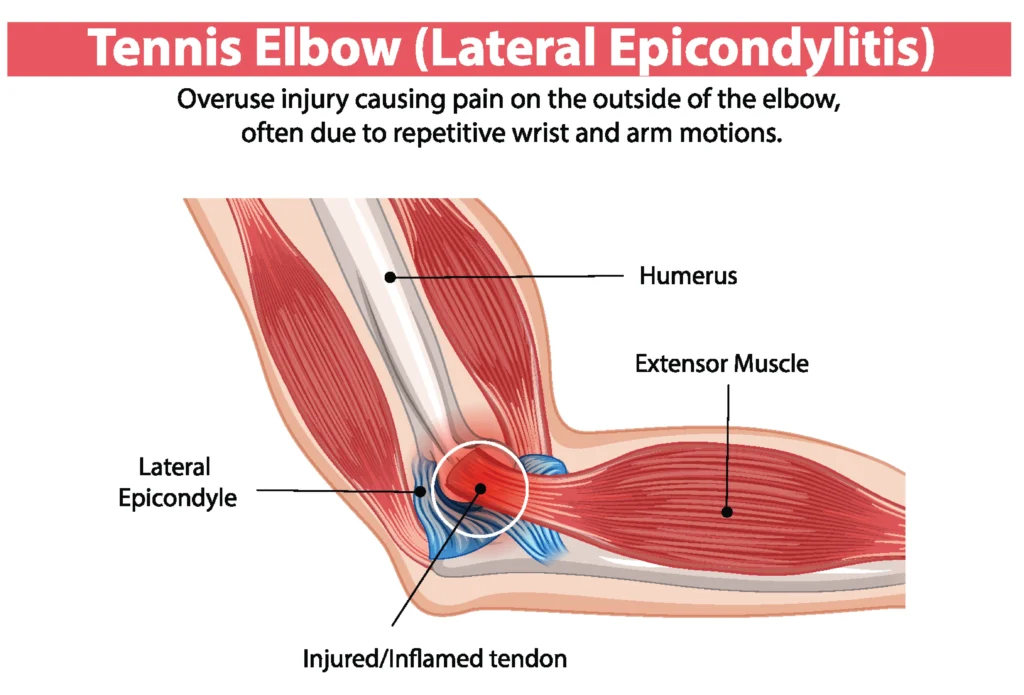
In contrast, overuse injuries are caused by repetitive movements or poor technique. Some examples of overuse injuries include:
- Tennis elbow
- Shin splints
- Jumper’s knee
- Stress fractures
- Tendinitis
More About Common Sports Injuries: Sprains and Strains
Sprains are extremely common in sports. Ligaments connect bones together and help support your joints. When a ligament is stretched beyond its limits, a sprain can occur. Once the ligament is stretched, it becomes looser and more susceptible to being sprained again in the future.
Strains are similar to sprains but occur in muscles and tendons, not ligaments. Tendons connect muscles to bones. Once a tendon or muscle is injured, it needs to be resolved fully, or it can lead to persistent pain and limitations in function.
Injury Prevention with Physical Therapy
Receiving physical therapy before you begin playing this fall could make all the difference in how ready your body is to be out on the field or court. The process begins with an injury screening to identify any underlying conditions that can lead to future injuries. Once we identify limitations, restrictions, and weaknesses, we’ll provide you with a personalized program to resolve them.
As you progress through rehabilitation, the intensity and complexity of your program will increase accordingly. We design your program to meet your specific needs, including incorporating sports-specific training to prepare your body for the demands of a competitive sports season.
Sources: https://delfamdoc.org/wp-content/uploads/2019/11/current-trends-sports-injury-prevention.pdf, https://link.springer.com/article/10.1007/s40279-019-01232-4
Request an Appointment To Get Started
Encouraging healing and avoiding injury are top priorities at Elliott Physical Therapy. In addition to directly treating injuries, we can help you improve your range of motion, strength, and overall function to prevent additional harm from occurring and get you ready for your sport.
Are you an athlete prepping for fall sports? Schedule an appointment today to learn more about how physical therapy can get you geared up to have your best season yet!


Coming Soon to UMass Boston!
We’re excited to announce the opening of our new satellite location at UMass Boston this fall! Whether you’re a student balancing classes, a faculty member on your feet all day, or a staff member managing a busy schedule, Elliott Physical Therapy will be available to support your health and wellness goals– right on campus.
Our licensed physical therapists will be able to treat all members of the UMass Boston community. From sports injuries and postural issues to joint pain and preventive care, we’re committed to helping you move and feel your best without ever having to leave campus.
Referral may not be needed to get started. Accepting most major insurance plans, including BCBS, MassHealth, and BMI, and we’re a convenient walk from your next class or office.
Let us help you move and feel better at UMass Boston!


Why Early Rehab Is Crucial After ACL Repair Surgery
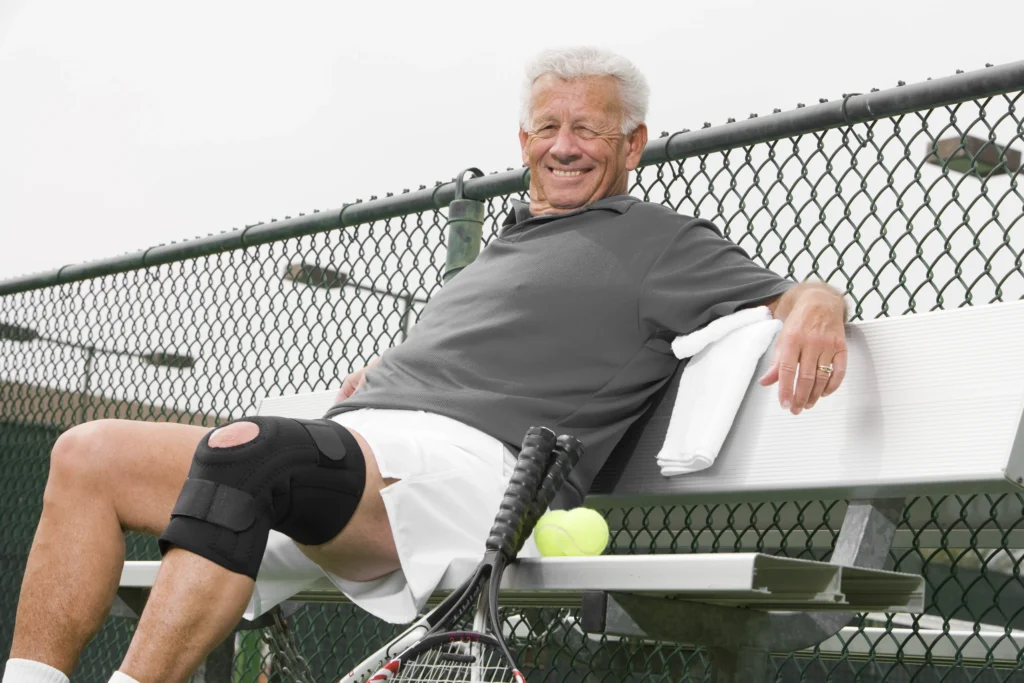
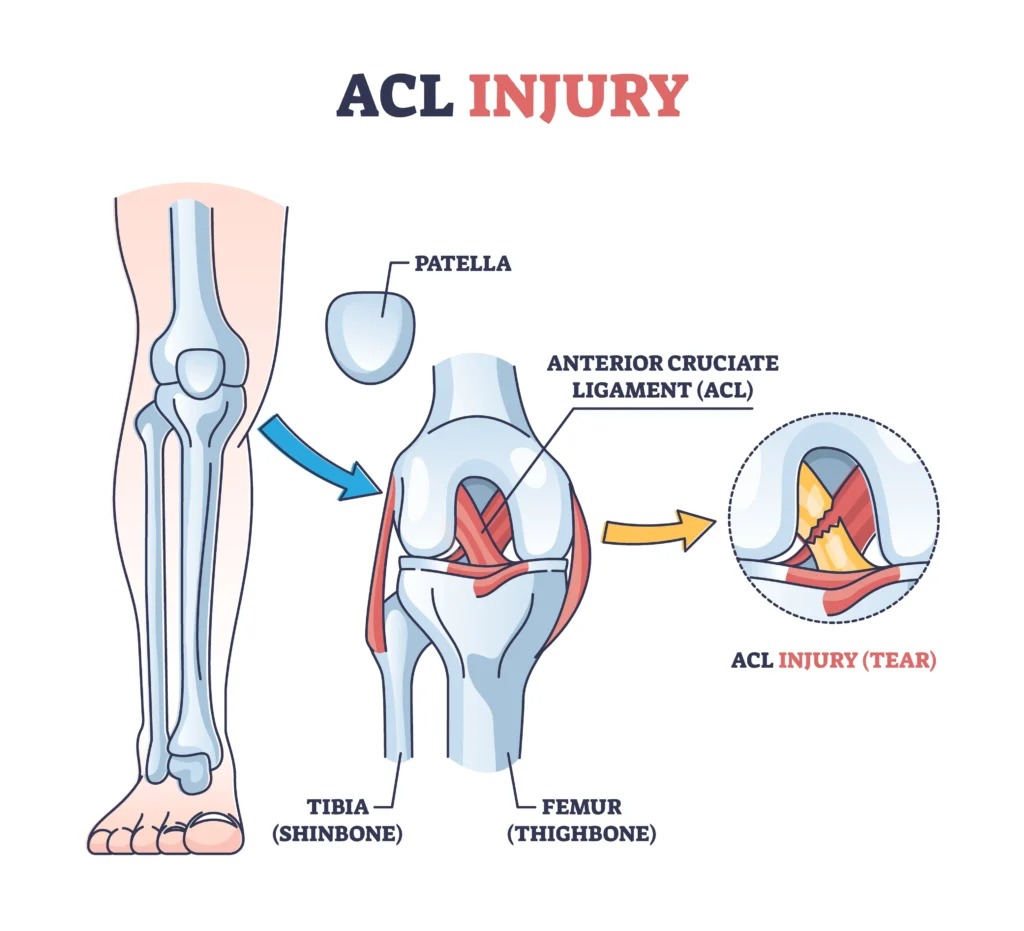
ACL tears are among the most common major sports injuries, and most athletes opt for ACL repair surgery, as it’s the best option if they want to continue playing their sport. However, the surgery itself is really only the first step: physical therapy is crucial in restoring knee function.
Furthermore, the earlier you can begin physical therapy, the better off you’ll be.
Key Differences in Early Vs. Delayed Physical Therapy
A recent study examined two groups receiving physical therapy after an ACL repair. They found key differences between the early group (who started PT within two weeks of surgery) and the delayed group (who started four weeks after). They found that the early group experienced:
Stronger Muscles
- Early rehab led to stronger quadriceps, which support the knee joint and help minimize post-surgical discomfort and restrictions.
Greater Range of Motion
- Early patients had an easier time with knee mobility.
Sharper Joint Awareness
- Tests showed improved knee position sense and stability in early PT patients.
Better Function
- Patients who started PT early scored higher on knee function surveys.
No Additional Risk of Complications
- Perhaps most importantly, starting rehab early did not increase the risk of graft failure or knee instability.
What Does This Mean for Your Recovery?
The Elliott Physical Therapy team has extensive experience working with athletes who have undergone ACL repair surgery. For every patient, we develop a personalized treatment program that guides them through each stage of recovery–from those crucial first few weeks through a safe return to sport.
During ACL surgery rehab, you can expect:
- Techniques for acute pain management, including manual therapy or advanced treatment modalities
- Strength and mobility training targeting your entire lower body
- Balance and gait training to help restore functional movement
- Regular strength, balance, and motion tests that guide your plan so we can adjust it as you improve
Are You Scheduled for An ACL Repair Surgery?
If so, now’s the time to meet with the team at Elliott Physical Therapy and discuss the plans for your rehabilitation. That way, you can reap the benefits of early physical therapy interventions.
Sources: https://josr-online.biomedcentral.com/articles/10.1186/s13018-025-06054-x

Fresh & Healthy Salsa Recipe
- 4 ripe tomatoes
- 1 red onion
- 3 garlic cloves
- 1 jalapeno (stemmed and seeded)
- 1/3 cup fresh cilantro
- 3 tbsp fresh lime juice
- 3 tsp ground cumin
- 1 1/2 tsp salt
- 15 oz crushed tomatoes (1 can)
- 4.5 oz diced green chiles (1 can)
Place the fresh tomatoes, onion, garlic, peppers, cilantro, lime juice, cumin, and salt in a food processor. Pulse until the contents are blended to the desired consistency. Pour in the crushed tomatoes and green chiles. Puree until mostly smooth. Refrigerate until ready to serve.