

Physical Therapy Can Help Alleviate Shoulder Pain in Golfers
Have you noticed pain while swinging your golf clubs? Are you struggling to get a full swing due to pain or restrictions in motion? Maybe it’s time for you to get your shoulder looked at by one of our movement experts. At Elliott Physical Therapy, our physical therapists help golfers alleviate pain, recover lost motion, and get stronger so they can golf without limitations!
Shoulder pain can be a significant struggle for golfers of all ages and skill levels. Research has indicated that shoulder problems account for up to 18% of all golf-related injuries. Like most golf-related injuries, shoulder conditions are typically overuse injuries. They are typically the result of repetitive microtrauma, poor swing mechanics, or an aggravation of a previous condition.
Caring for golfers requires comprehensive knowledge of the golf swing mechanics and musculoskeletal injuries specific to golfers. Ensuring the golfer optimizes their unique anatomy to create efficient motor patterns is the key to pain-free golfing.
Our physical therapists will identify deficits such as weakness and/or tightness in the leg, pelvic/spine, shoulder joint, or shoulder blade that can lead to overuse injuries. At Elliott Physical Therapy, we will assess your whole body to determine what may be contributing to your pain/injury. We will identify your individual needs and help you resolve your problem once and for all!
Request an appointment today and let our team help guide you back to health!
What Are The Main Types Of Shoulder Injuries From Golfing?
Although the temptation is often to rest or alter the painful swing movement, a better solution would be to see one of our highly trained physical therapists. Golf can be demanding due to the sheer volume of swings in a single round of golf.
The shoulder is commonly affected by overuse and/or poor technique. The lead shoulder, or the left shoulder in the right-handed golfer, is particularly susceptible to injury. Most injuries can be treated or prevented through a thorough understanding of the biomechanics of the swing and how the entire body contributes to a successful swing.
The most common shoulder problems affecting golfers include:

Rotator Cuff Tears and/or Tendinopathy
Impingement is a common cause of shoulder pain, where a tendon rubs or catches on nearby tissue and/or bone as you move (lift) your arm. This problem is usually due to overuse and repetitive traumas.
The long head of the biceps tendon is particularly susceptible to impingement as it runs along the shoulder’s front (anterior) aspect through the area between the shoulder blade and arm bone (i.e., subacromial space).
Shoulder Impingement
The meniscus serves as a shock absorber and helps maintain stability in the knee. A meniscus tear can be caused by contact or non-contact activity when the knee twists suddenly. Some tears are the result of wear and tear.
Acromioclavicular (AC) Joint Pain
The AC joint is on the very top of the shoulder. Research suggests that the AC joint is most stressed at the top of the backswing when the lead shoulder is in maximal horizontal abduction (reaching across the body). Degeneration and faulty shoulder blade movements can influence the AC joint and lead to pain or injury.
Osteoarthritis
Osteoarthritis is a degenerative type of arthritis where the cartilage in the shoulder joints gradually wears away. As the cartilage wears away, the joint space decreases, resulting in pain and loss of motion.
Shoulder Joint Instability
Instability is defined as the excess movement of the humeral head (ball) in relation to the socket. Essentially, the ball slides forward or backward in the socket and loses congruence with the socket. The rotator cuff’s primary function is to maintain the ball in the center of the socket, preventing excessive movement of the humeral head in any direction.
At Elliott Physical Therapy, our physical therapist will help identify the most likely cause of your shoulder pain and how to resolve it.
What To Expect In Physical Therapy
We will conduct a comprehensive evaluation that includes a thorough history and movement assessment of the shoulder, spine, and hips in particular. We will identify how your joints move in relation to one another to ensure we identify any restriction or limitation that may be contributing to your condition.
In addition, we will test your shoulder and shoulder blade strength, range of motion, and how they work together in different positions. This information will help determine any weaknesses and/or compensations that may impair your ability to swing correctly.
Your physical therapist will design a program tailored to your individual needs. This program will consist of flexibility/mobility, strength, and power training to correct faulty movement patterns to help resolve your injury and improve your overall performance.
We will use any technique, including Kinesio Taping and manual techniques, to assist your rehabilitation and education on proper movement sequencing. Our team will show you how to warm up, including mobility and theraband work, to enhance your performance so you can hit the ball with greater confidence!


Request An Appointment At Elliott Physical Therapy Today!
Our physical therapists are highly skilled at treating golfers of all ages and skill levels. No matter what is causing your shoulder pain, we offer the results you are looking for!
Exercise of the Month
Shoulder Shrugs
(Neck, Upper Traps)
Stand tall with your arms at your sides, holding a dumbbell in each hand (optional). Slowly lift your shoulders up toward your ears in a shrugging motion. Hold briefly at the top, then lower your shoulders back down with control.
3 Sets, 10 Reps
(Materials needed: optional dumbbells)
Debunking the Myth That Running Causes Osteoarthritis
Osteoarthritis (OA) is a degenerative joint disease characterized by the breakdown of cartilage in the joints, leading to pain, stiffness, and impaired mobility. While there is a common misconception that running contributes to the development of OA, numerous studies have shown this to be a myth.
Running has various health benefits, including improved cardiovascular fitness and weight management, which support joint health. In addition, movement, including running, helps keep the cartilage in the knee healthy.
Research has highlighted other factors that are contributors to the development of knee OA:
- Age: Aging is the most significant risk factor for OA. As individuals age, the cartilage in their joints naturally undergoes wear and tear, making them more susceptible to degeneration.
- Genetics: Genetic factors play a crucial role in determining an individual’s susceptibility to OA. Certain genetic variations have been associated with an increased risk of developing OA in various joints, including the knee.
- Previous joint injuries: Previous knee injuries, such as ligament or meniscus tears, can predispose individuals to OA later in life. The trauma from these injuries can accelerate the degenerative process in the affected joint.
- Obesity: Excess body weight places additional stress on the knee joints, leading to accelerated cartilage breakdown and an increased risk of developing OA. Maintaining a healthy weight through regular exercise and a balanced diet can help reduce the risk of OA.
- Joint misalignment or instability: Abnormalities in joint structure or function, such as malalignment or instability, can lead to uneven distribution of forces within the knee joint, contributing to cartilage degeneration and OA development.
The bottom line is that running does not cause knee OA. At Elliott Physical Therapy, our therapists understand the risk factors associated with knee arthritis and will provide programs to preserve your joint health and reduce the burden of OA so you can keep running!
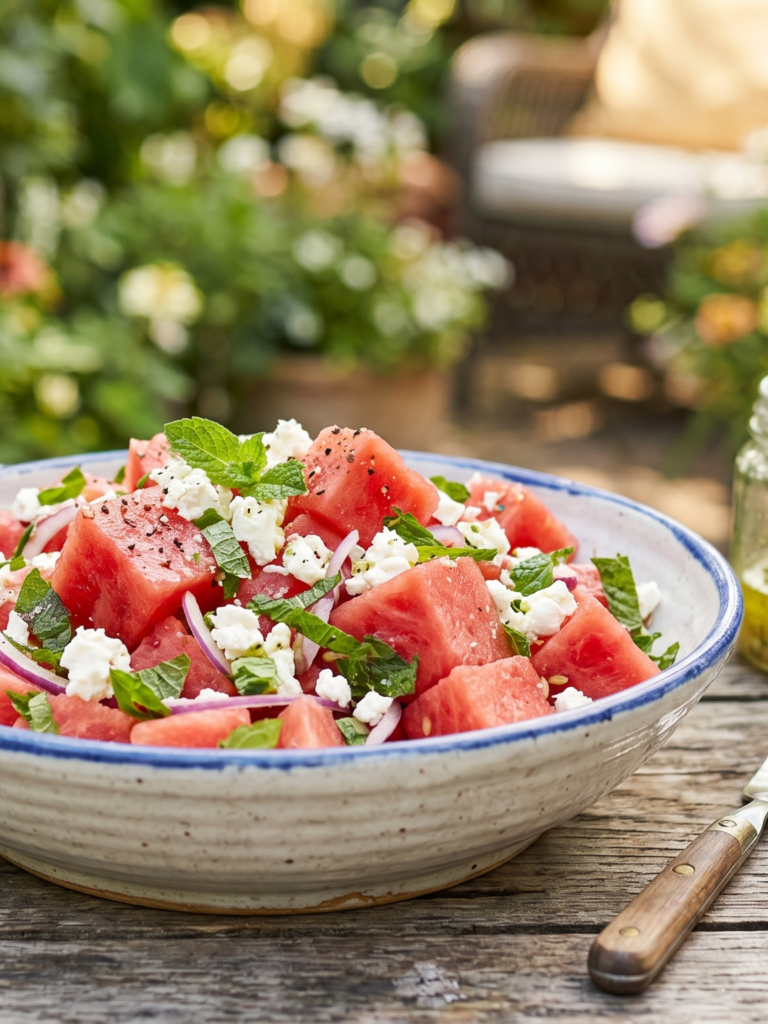
Healthy Recipe: Watermelon, Feta, and Mint Summer Salad
This classic sweet-and-savory combination is the ultimate summer refresher. It takes less than 10 minutes to throw together, requires no cooking, and is packed with hydrating watermelon.
Ingredients
- 4 cups cubed seedless watermelon (chilled)
- 1 cup crumbled feta cheese
- ½ cup red onion, thinly sliced
- ½ cup fresh mint leaves, roughly chopped or torn
- 2 tablespoons extra virgin olive oil
- 1 tablespoon fresh lime juice
- A pinch of flaky sea salt and freshly cracked black pepper
Instructions
- Combine: In a large serving bowl, combine the chilled watermelon cubes, crumbled feta, and sliced red onion.
- Dress: In a small bowl, whisk together the olive oil and fresh lime juice. Drizzle the dressing evenly over the salad.
- Toss: Add the fresh mint leaves to the bowl. Gently toss the salad with large spoons or your hands just until combined—be careful not to break up the watermelon or overmix the feta.
- Season & Serve: Top with a pinch of flaky salt and fresh pepper to taste. Serve immediately while cold.
Ready to Get Moving Again?
At Elliott Physical Therapy, our physical therapists are ready to help you identify the cause of your pain and build a personalized plan to get you back to the activities you love most. Don’t wait for a small problem to become a bigger one — early care makes all the difference.
Sources
https://www.jospt.org/doi/full/10.2519/jospt.2020.8498, https://www.sciencedirect.com/science/article/abs/pii/S097656622030357X, https://journals.sagepub.com/doi/abs/10.1177/0269215520971764, https://www.hindawi.com/journals/bmri/2021/9945775/, https://journals.humankinetics.com/view/journals/jsr/29/4/article-p425.xml,https://www.ncbi.nlm.nih.gov/pmc/articles/PMC9983113/, https://pubmed.ncbi.nlm.nih.gov/27519678/