


The Connection Between Hip and Knee Pain
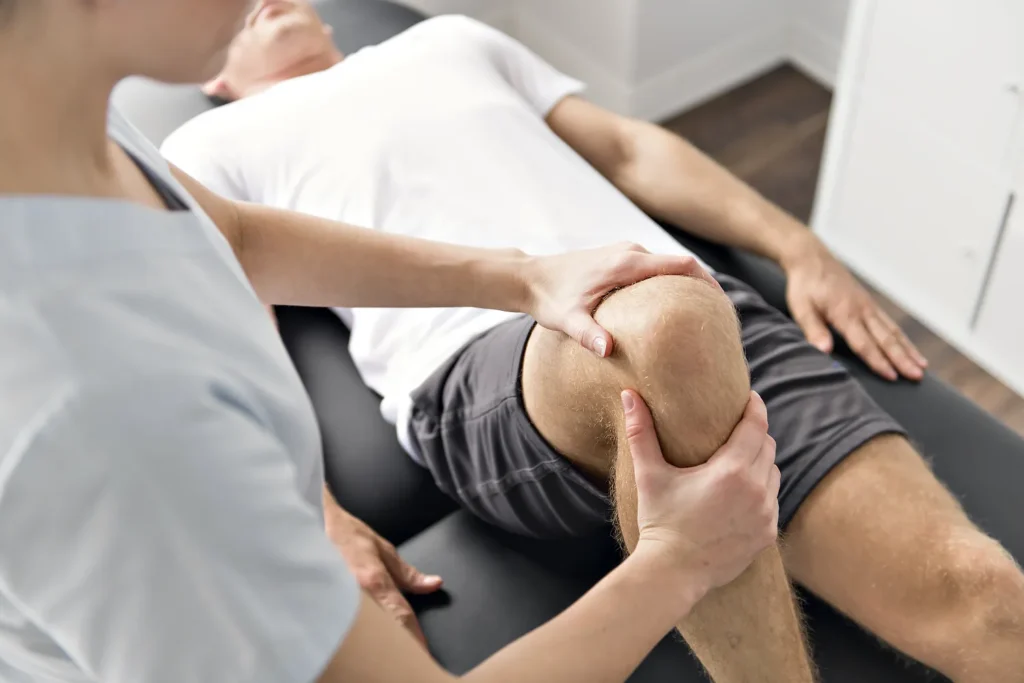
Did you know that for a lot of people, their knee pain is not actually due to a problem with the knee, but one with the hip? At Elliott Physical Therapy, we frequently observe that a problem originating in the hip can be first felt as knee pain and vice versa.
You might wonder how this is possible. The answer lies in what’s known as the kinetic chain, where the hip and knee joints work together. The interconnection means that an imbalance or dysfunction in one joint can lead to compensation and pain in the other. The good news is our therapists can help you figure out the source of your pain and, more importantly, guide you back to health.
To move towards a healthier, active life, we recommend you consult with one of our physical therapists as soon as possible!

Your Guide to Recognizing the Signs and Symptoms of Hip and Knee Pain
At Elliott Physical Therapy, we believe in a holistic approach to healing. As musculoskeletal experts, we are trained to pinpoint the root cause of your condition, differentiate between hip and knee pain, and develop a plan that addresses the whole person, not just the symptom.
- Localized Discomfort and Stiffness: Hip pain generally starts as a localized discomfort in the groin area, often accompanied by stiffness restricting the range of motion. As the severity worsens, this pain can sometimes extend to the thigh and even the knee.
- Morning Stiffness: One of the most commonly reported symptoms is morning stiffness, which typically eases as the day progresses.
- Difficulty in Performing Daily Activities: Individuals with hip pain often find it challenging to bend over to tie shoes or pick up objects from the floor. This pain can intensify during movements like getting up from a seated position or walking uphill.
Classic Indicators of Knee Pain
- Localized Pain and Swelling: A primary indicator of knee issues is localized pain, often accompanied by swelling. This can be especially noticeable after prolonged periods of activity.
- Stiffness and Reduced Range of Motion: Another hallmark of knee pain is stiffness, which often restricts the knee’s range of motion.
- Popping or Crunching Noises: Experiencing popping or crunching noises during knee movement is a sign that shouldn’t be ignored, as these sounds often signify underlying knee issues.
- Difficulty in Bearing Weight: A large number of individuals with knee pain report difficulty bearing weight on the affected knee. This is often described as a feeling of weakness or instability, making activities such as climbing stairs or even simple walking difficult.
While interconnected, the hip and knee are distinct structures with unique roles in our body’s movement and different responsibilities.
Exercise of the Month
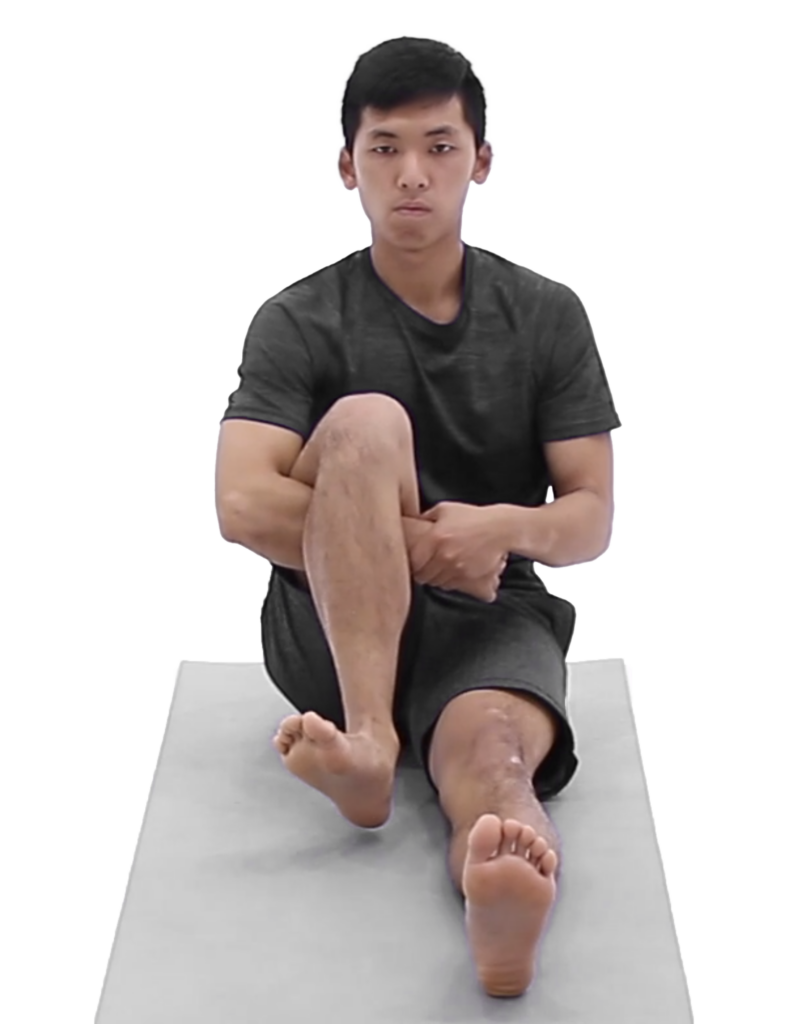
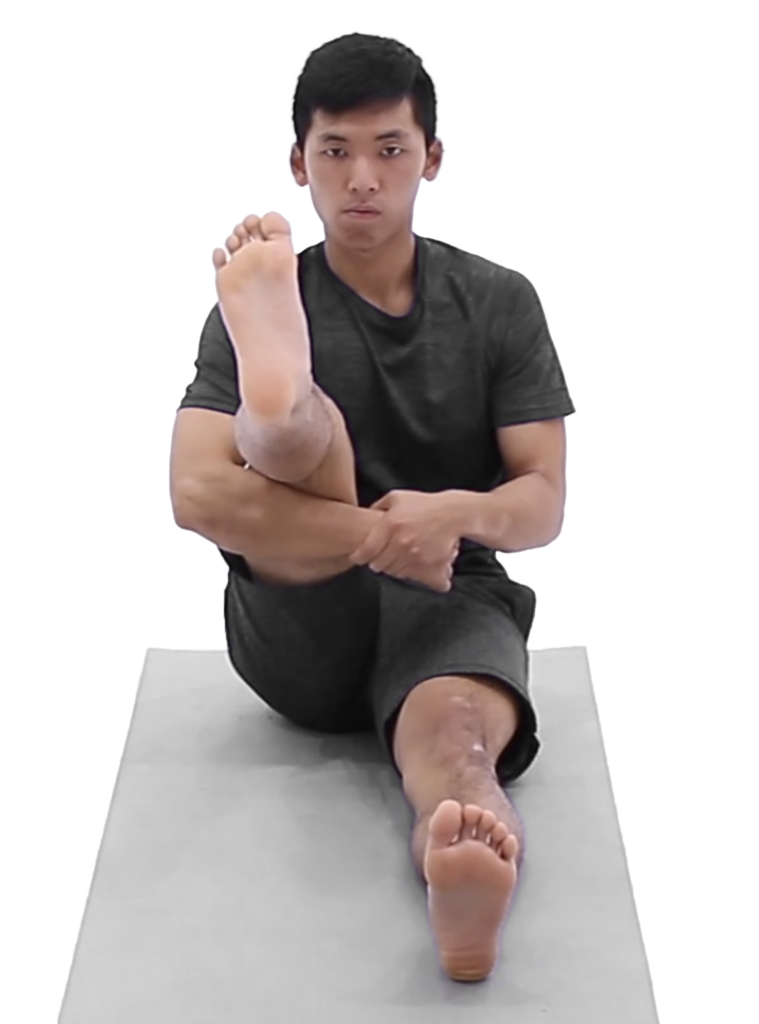
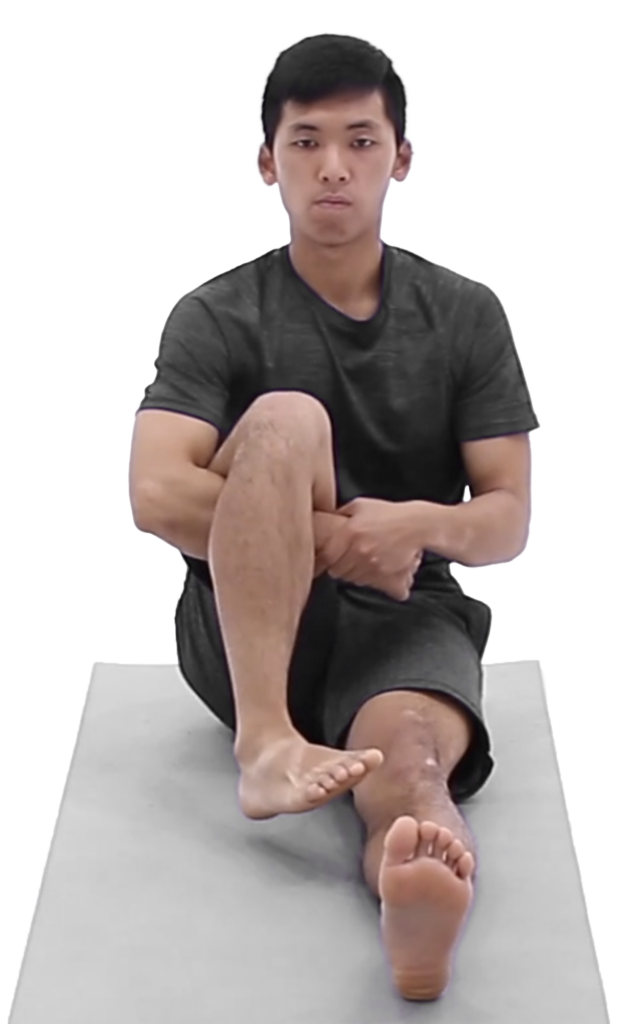
Knee Controlled Articular Rotations
Start by sitting on the ground with one leg straight and your other leg raised slightly resting on your forearm. Your heel should not be touching the floor. Turn your foot out as far as possible at your ankle and then extend your knee as much as possible. Turn your foot inward as far as possible and bend your knee as much as possible.

Navigating the Path to Recovery with Elliott Physical Therapy
At Elliott Physical Therapy, our physical therapists will conduct a comprehensive evaluation, and distinguish whether you’re dealing with an issue in your hip, knee, or both.
After completing the evaluation, we’ll design a program focusing on the actionable steps you can take to ensure long-term relief and prevention of future injuries, including the following:
- Tailored Therapeutic Exercises: Our therapists will provide you with stretching and strengthening exercises to help restore your mobility and function. For example, eccentric training focuses on elongating a muscle under tension, proving particularly effective in strengthening muscles and improving mobility.
- Neuromuscular Re-education: This involves using exercises and manual techniques to restore normal muscle function and movement patterns. These techniques are especially effective in reducing pain and enhancing function, especially in individuals with hip and knee pain.
Our therapists go beyond the surface, digging deep into your symptoms to identify the underlying issues and determine the true origin of your pain, whether the hip, the knee, or both. Our goal is to build a program that helps you get back to living your best life!
Sources: https://pubmed.ncbi.nlm.nih.gov/32643252/, https://pubmed.ncbi.nlm.nih.gov/31621559/, https://pubmed.ncbi.nlm.nih.gov/30407271/, https://journals.lww.com/jgpt/fulltext/2020/04000/hip_muscle_strengthening_for_knee_osteoarthritis_.6.aspx, https://www.jospt.org/doi/10.2519/jospt.2018.7877
Follow These Simple Steps to a Pain-Free Life
Are you ready to embrace a lifestyle that promises better mobility and less pain? At Elliott Physical Therapy, we are here to guide you every step of the way, fostering a future where you feel better, move better, and live better!
Community Spotlight: Castle Island Track Club Event
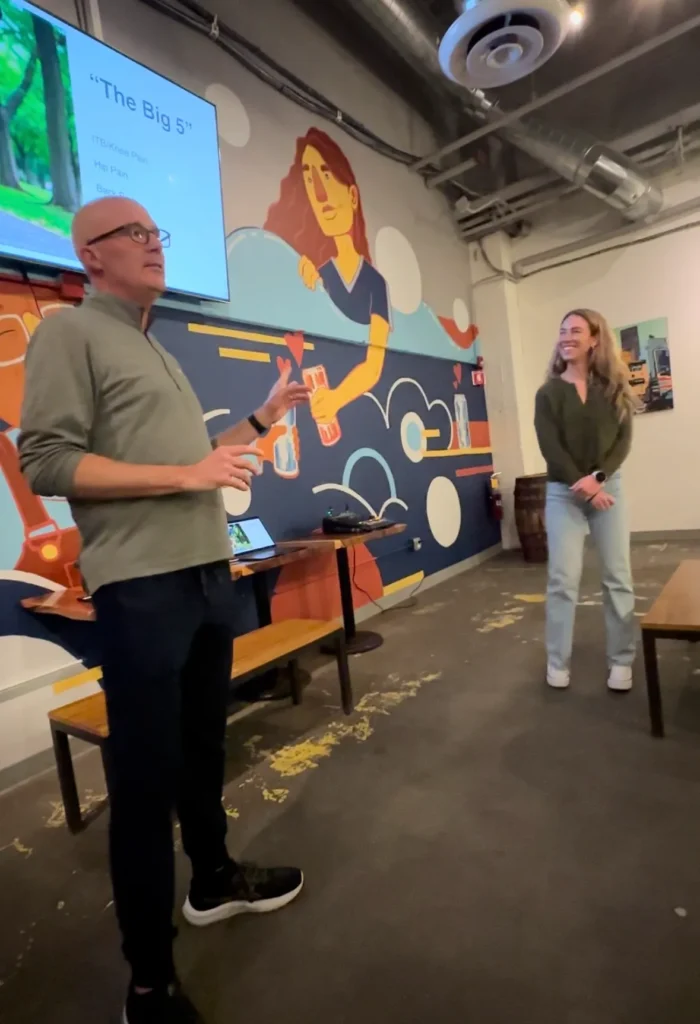
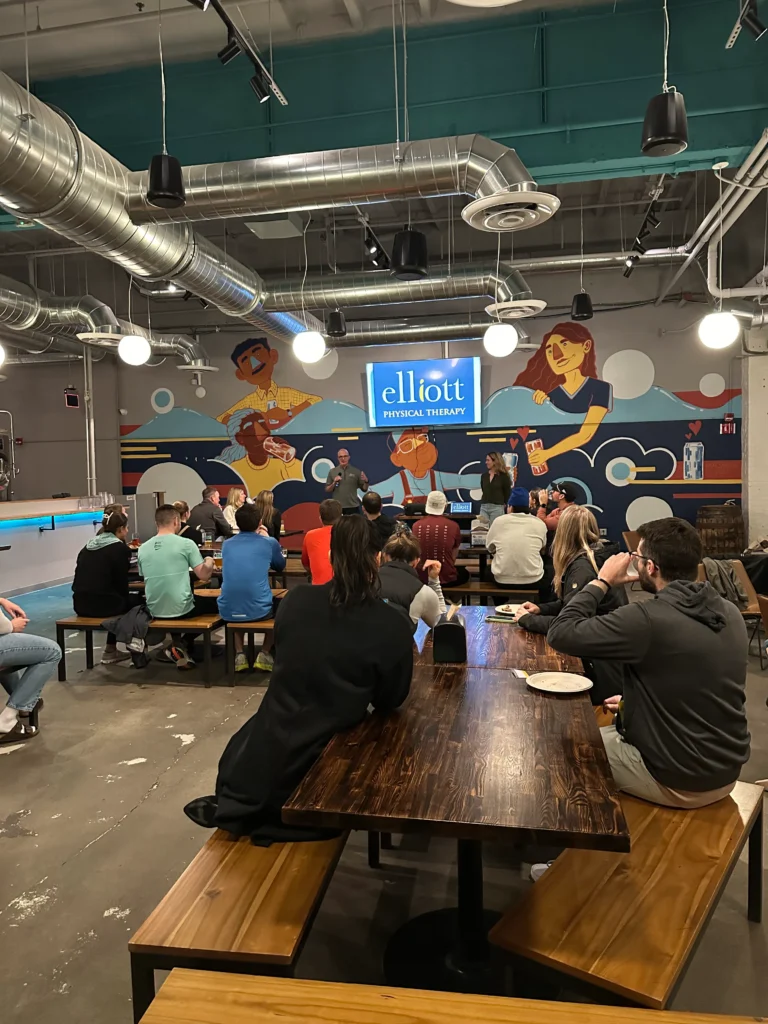
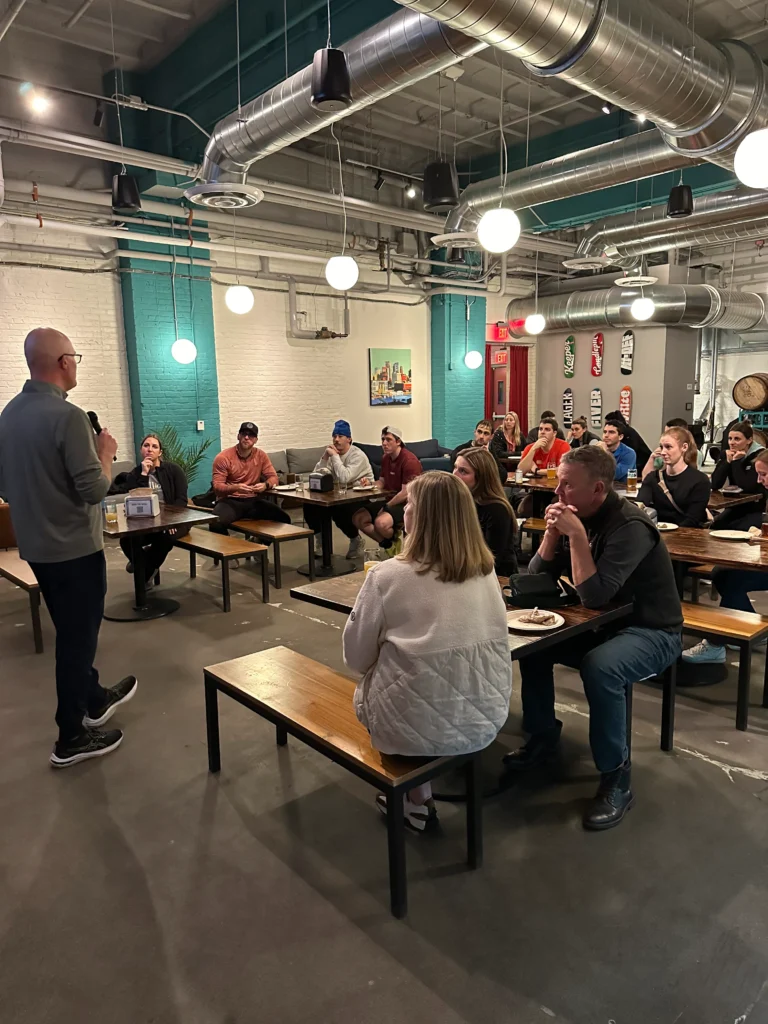
We had a great turnout at the Castle Island Track Club event at Castle Island Brewing, located on the 1st floor of our building in Southie. Our team had the opportunity to connect with local runners and answer important questions about training, injury prevention, and performance. Topics ranged from choosing the right running sneakers to key muscle groups for strength training, cadence, and heart rate monitoring.
Team Spotlight
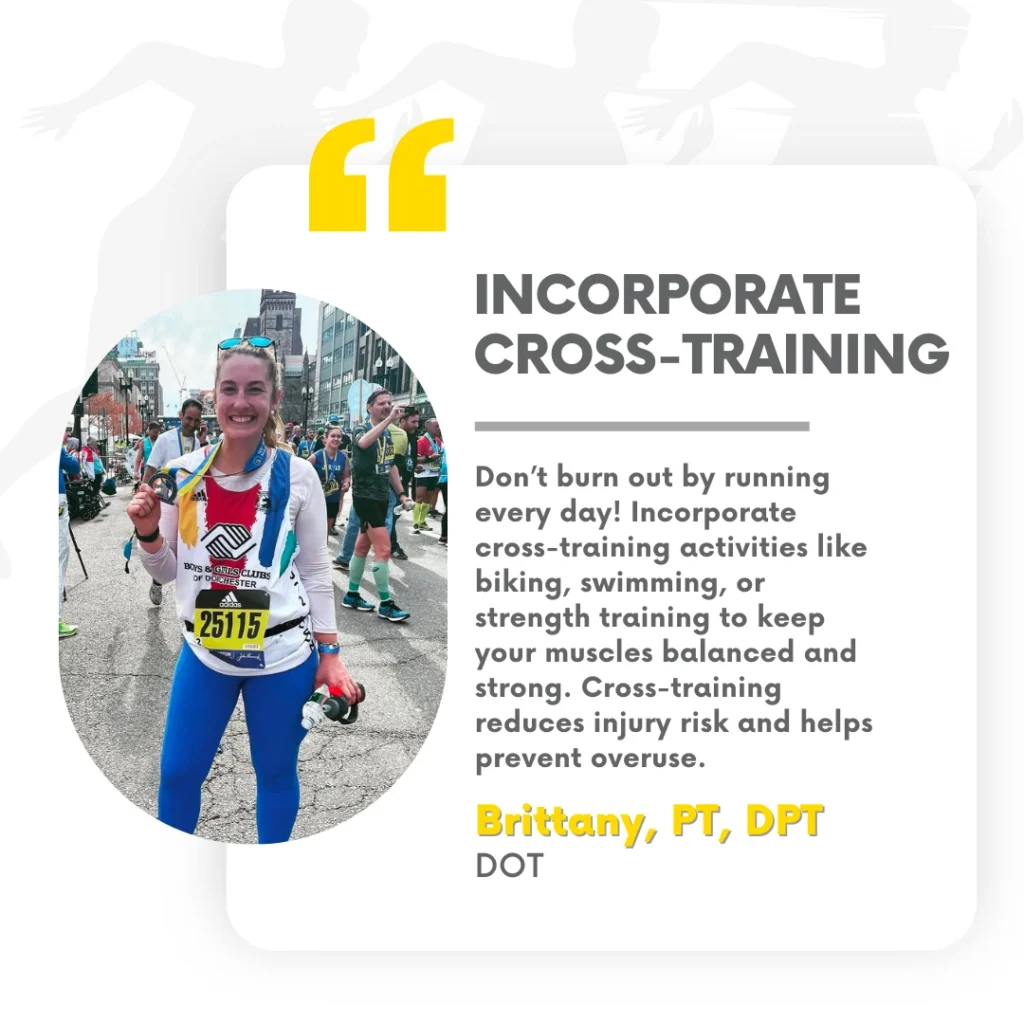
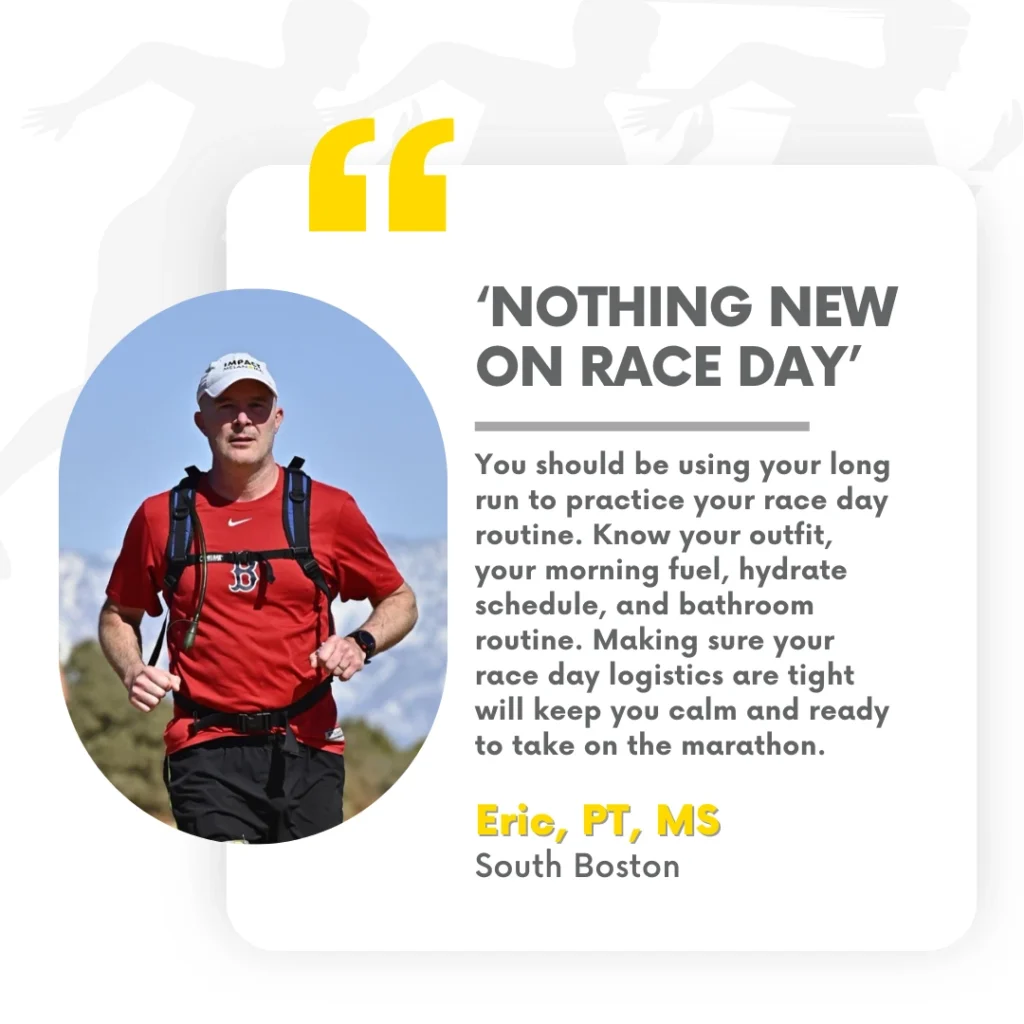
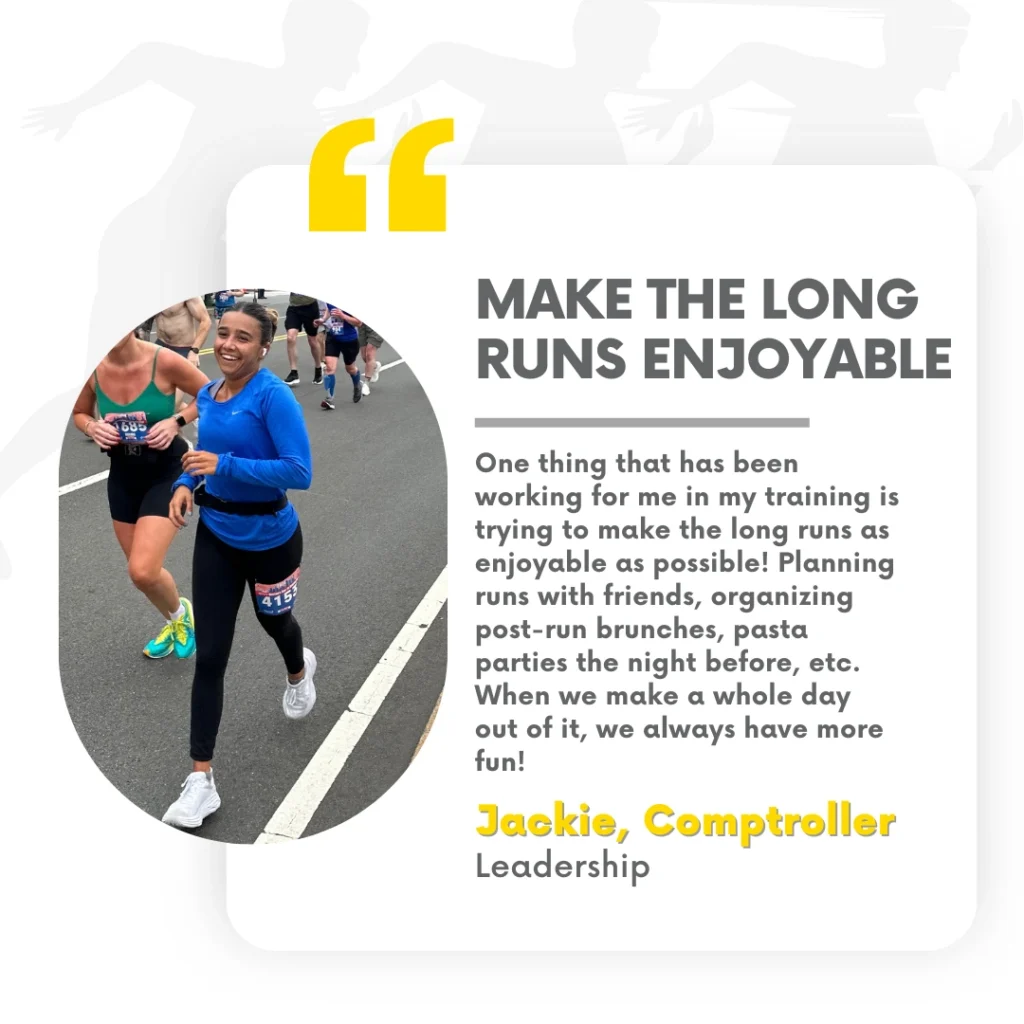
We’re thrilled to spotlight two of our incredible team members, Eric Cardin and Jackie Stoller, who are both taking on major marathons to support important causes!

Jackie is running the 2024 Boston Marathon to raise funds and awareness for the National Multiple Sclerosis Society. Her dedication to this cause will help fund critical research and support for those living with MS. You can support her journey here: https://www.givengain.com/project/jackie-raising-funds-for-national-multiple-sclerosis-society-88285

Eric, an avid runner and Clinical Manager at our new South Boston location, is taking on the London Marathon this year. His passion for running and helping others is truly inspiring, and we can’t wait to cheer him on as he crosses the finish line!
Join us in supporting Eric and Jackie as they push themselves for these incredible causes. We’re proud to have such dedicated and compassionate individuals on our team!
Safe Running Tips to Prevent Injury
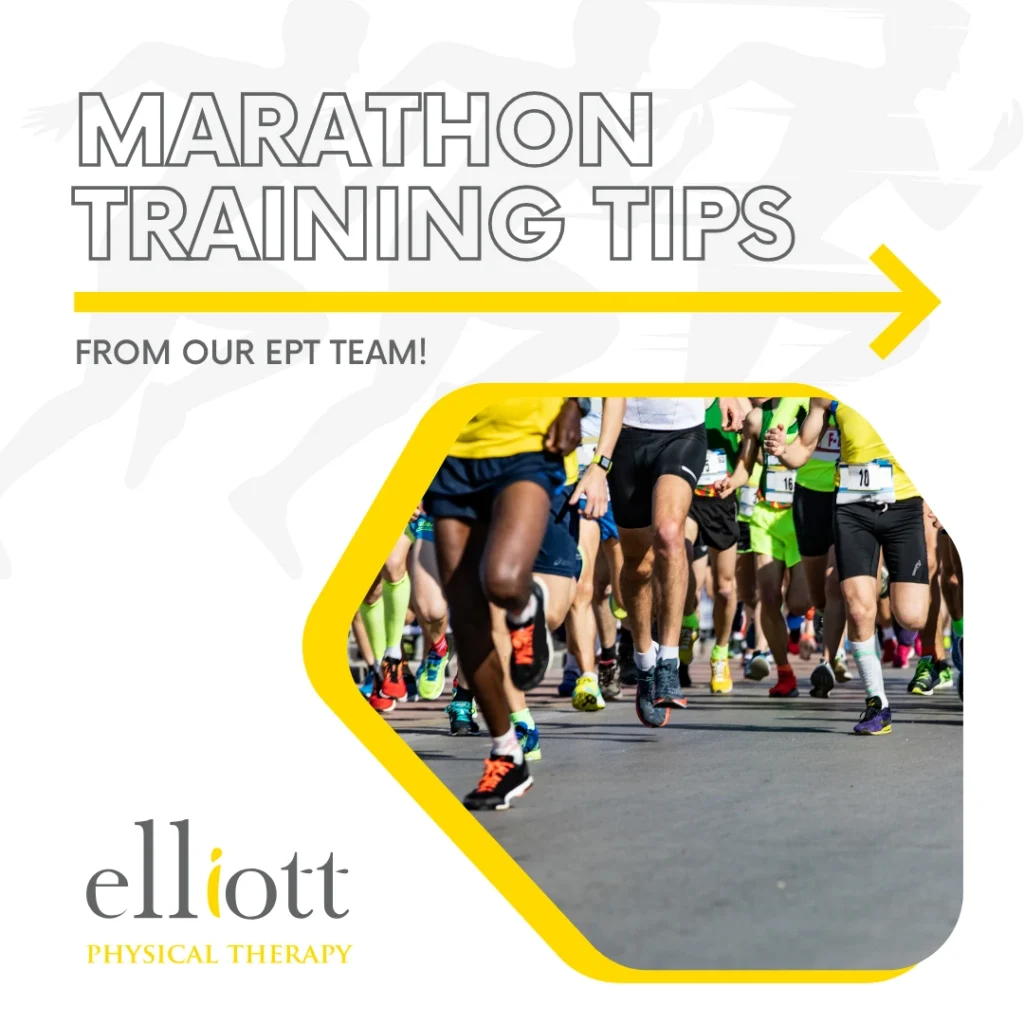
Running is a fantastic way to stay active, improve cardiovascular health, and boost mental well-being. However, improper running techniques or neglecting your body’s needs can lead to injuries. Whether you’re a seasoned runner or just getting started, here are some essential tips to keep you running safely and pain-free.
1. Warm Up Properly
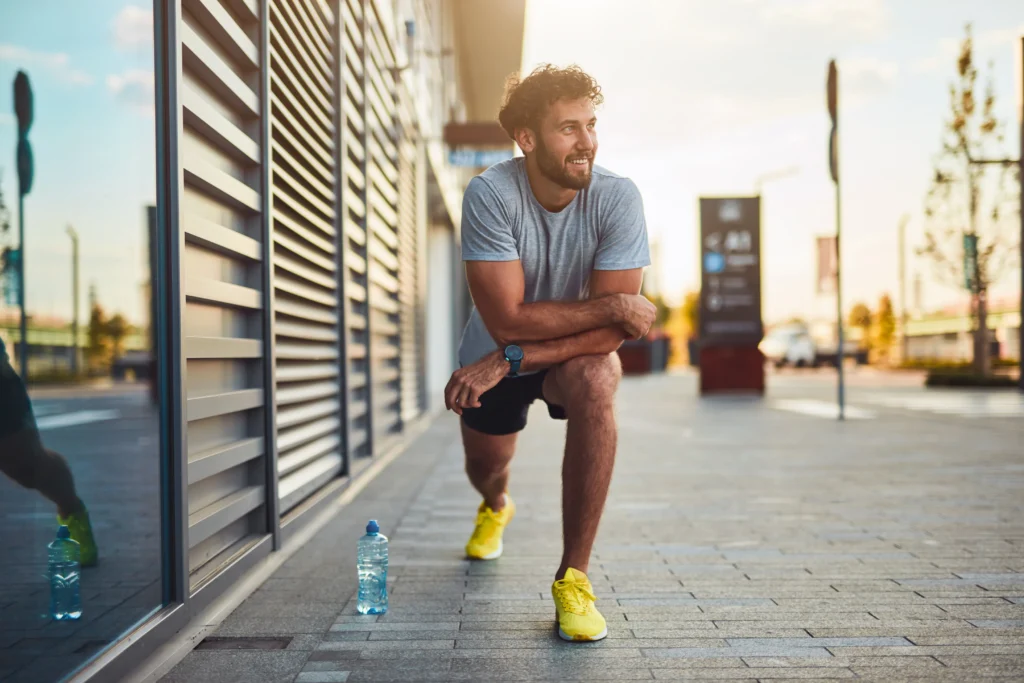
Jumping straight into a run without warming up can put undue stress on your muscles and joints. Before you run, spend at least 5–10 minutes doing dynamic stretches such as leg swings, high knees, or lunges. This helps increase blood flow and prepares your body for movement.
2. Wear the Right Footwear
Not all running shoes are created equal. Choose shoes that provide proper arch support and cushioning for your specific foot type. If you’re unsure, consider getting a professional gait analysis to find the best shoe for your needs. Marathon Sports can assist with fitting you for proper footwear at their store.
3. Listen to Your Body
Pain is your body’s way of signaling something is wrong. If you experience persistent discomfort in your feet, knees, hips, or lower back, take a break and assess what might be causing it.
4. Increase Mileage Gradually
A common mistake among runners is increasing mileage too quickly. Follow the 10% rule—do not increase your weekly running distance by more than 10% to avoid overuse injuries.
5. Cool Down & Stretch
The post-run cool-down is important to allow your body to transition safely from high activity to rest, promoting recovery, reducing injury risk, and facilitating the removal of metabolic waste products.
6. Stay Hydrated & Fuel Properly
Dehydration and poor nutrition can lead to cramps, fatigue, and decreased performance. Drink water throughout the day and refuel with a balanced mix of carbohydrates and protein after your run.
If you experience persistent pain or an injury, our clinic is here to help! Schedule an appointment with us to ensure you’re running safely and efficiently.