
Dance Medicine: Keeping You In Step
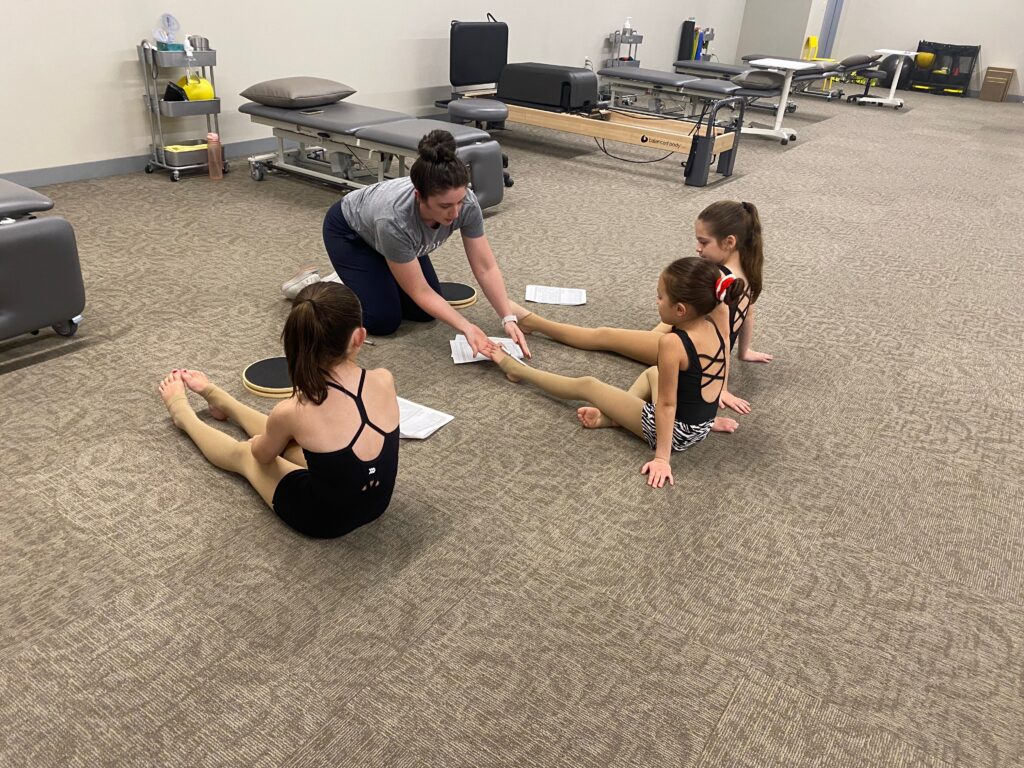

Dance is one of the most demanding performing arts and sports requiring hours of training and technique to maintain high intensity movement that is performed within a range of dynamics. The diverse range of movement from leaps to turns to jumps executed by dancers requires flexibility, strength, power, stability and endurance. Proper technique requires hours of training in each of these categories in order to prevent injury, however, long training hours also place dancers at higher risks of overuse injuries.
The most common musculoskeletal dance injuries occur at the ankle, knee, hip and lower back with current research indicating 80% of dancers will sustain at least one injury at some point in their careers. Dancers push their bodies to incredible limits, and dance medicine physical therapy can be their secret weapon for staying healthy and reaching their full potential. This specialized field goes beyond general physical therapy, with practitioners trained in the unique demands and language of dance.
Here’s how dance medicine physical therapy benefits dancers at every stage:
How Can Dance Medicine Help Prevent And Treat Dance Injuries: Dancers are prone to overuse injuries. Physical therapists assess movement patterns, identify muscular and flexibility imbalances, and create personalized exercise programs to reduce the risk of injury or prevent current injuries from getting worse.
What Are The Benefits Of Incorporating Dance Medicine Into Dance Training: Dance requires not just flexibility but also strength, power, and endurance. PTs design dance-specific conditioning programs that build these qualities to improve performance, stamina, and overall athleticism to complete ranges of choreography.
How Does Dance Medicine Contribute To A Dancer’s Performance Enhancement: Due to the culture and demands of dance, dancers require a deeper understanding of anatomy and physiology, nutrition, and stress management to aid in the prevention of injury. Dance medicine PTs share the language of dance and can also relate to the intricacies of navigating health in the performing arts world.
Pointe Readiness: Pointe work in ballet is magical, but demanding on the body of a dancer. Dance medicine PTs can assess a dancer’s foot strength, ankle stability, and overall alignment to determine pointe readiness in order to prevent compensations that may lead to injury. They create a safe progression plan to gradually build the strength and technique needed for pointe shoes.
Injuries In Dance: Injuries are seemingly inevitable to many dancers, but dance medicine physical therapy can get dancers back on their feet faster and stronger. They create personalized rehabilitation programs to address the specific injury while also focusing on the return to choreography and dance specific skills.
Dance medicine physical therapy isn’t just about recovering from injuries; it’s about empowering dancers to reach their peak performance and enjoy a long, healthy dance career.
Contact our Dorchester, Hanover or Milton locations for more information about our dance medicine program, and schedule an appointment today!